
Azelaic Acid: Rosacea, Texture, and the Regulatory Line
Formulate azelaic acid the right way: where the cosmetic line sits, how to solve crystallization and pH, and the claims a manufacturer must hold to.
Tranexamic Acid for Dark Spots: What Brands Should Know
Learn how to formulate topical tranexamic acid for the look of dark spots, keep claims cosmetic and distinct from oral prescription use, and avoid common launch pitfalls.
Hyaluronic Acid Serums: A Formulation and Launch Guide
Learn how to formulate and launch a private label hyaluronic acid serum: molecular weights, the dry-climate humectant caveat, layering, MOQs, and lead times.
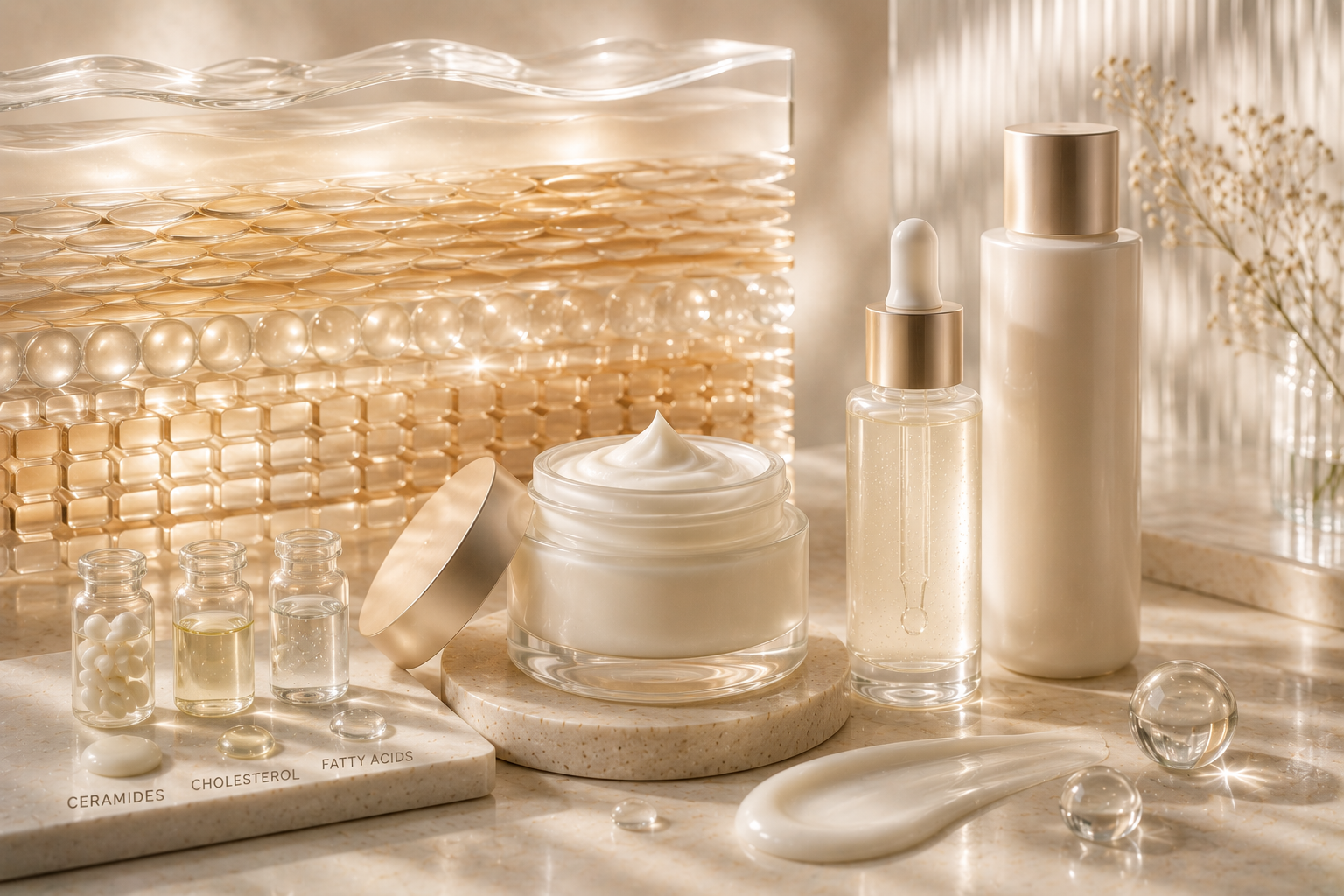
Ceramides in Skincare: Barrier Repair and Private Label
Learn how ceramides repair the skin barrier, why they pair with niacinamide and cholesterol, and how to private label a stable ceramide formula at scale.
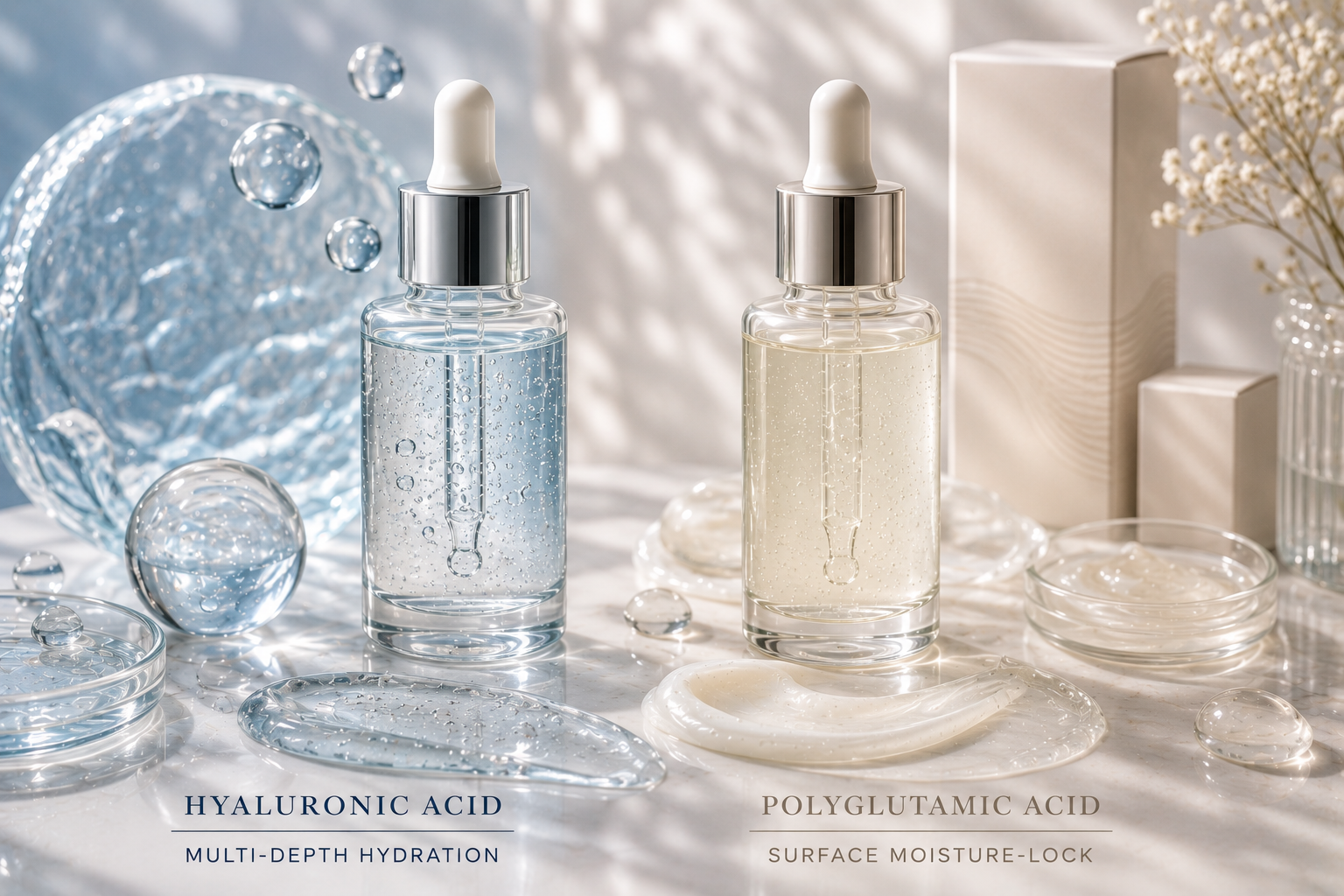
Polyglutamic Acid vs Hyaluronic Acid: The Hydration Showdown
Compare polyglutamic acid vs hyaluronic acid on water-holding, molecular size, and layering, then learn how to private label a PGA or PGA+HA serum.
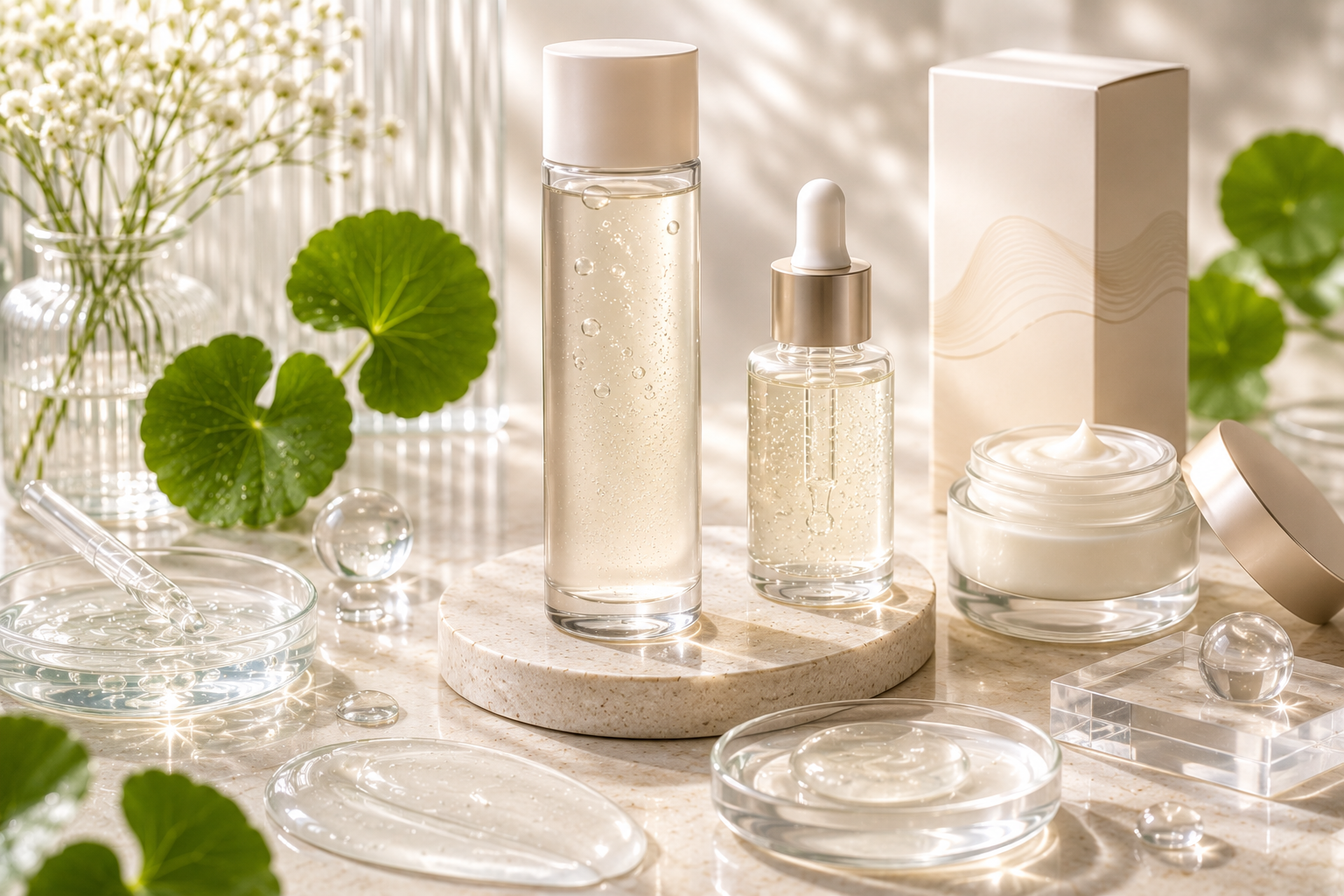
Snail Mucin: The K-Beauty Hydrator and How to Launch One
Learn what snail mucin is, why it hydrates, why it is not vegan, and how to source, preserve, and launch a compliant snail secretion filtrate product.
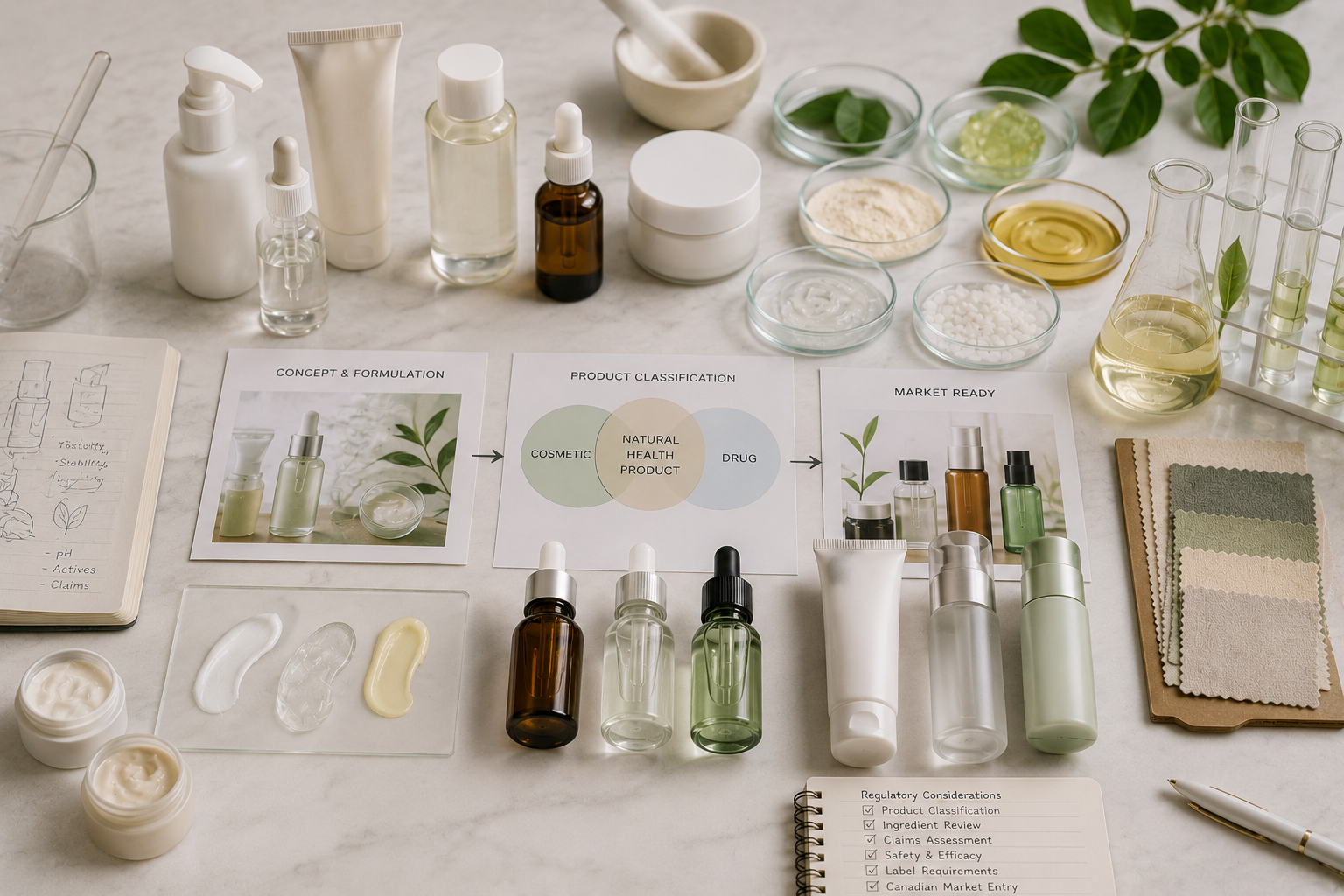
Do You Need a Health Canada NPN for Your Skincare?
Most skincare products sold in Canada do not need a Health Canada NPN. The deciding factor is not the product category, but the claims you make and the ingredients you use. This guide explains when a cosmetic notification is enough, when an NPN is required, and how to avoid costly regulatory mistakes before launch.
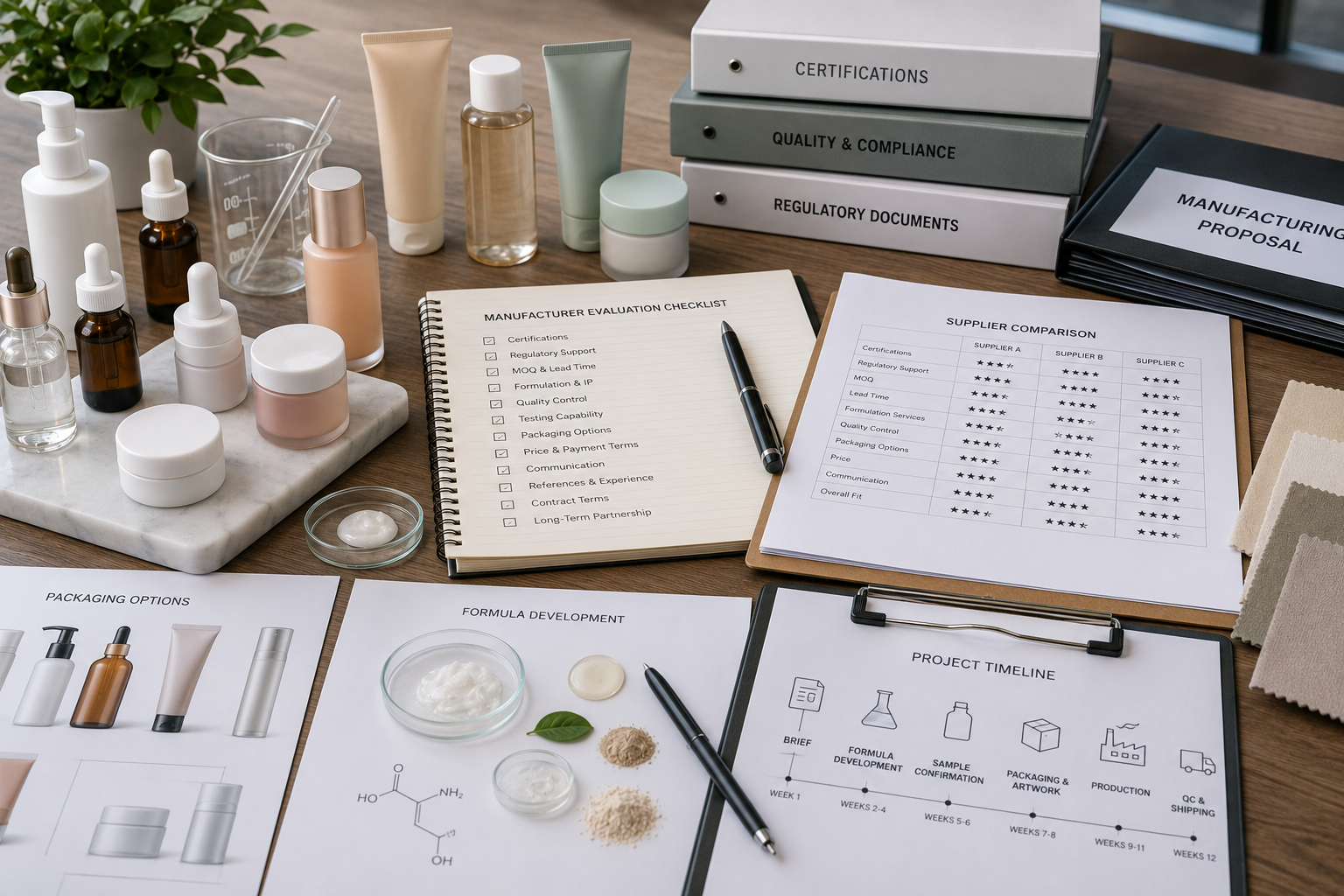
12 Questions to Ask a Cosmetics Manufacturer Before You Commit
Choosing a production partner shapes everything from your launch date to your margins. These 12 questions help you evaluate any cosmetics manufacturer on regulatory capability, certifications, formulation ownership, and realistic timelines, not just price.
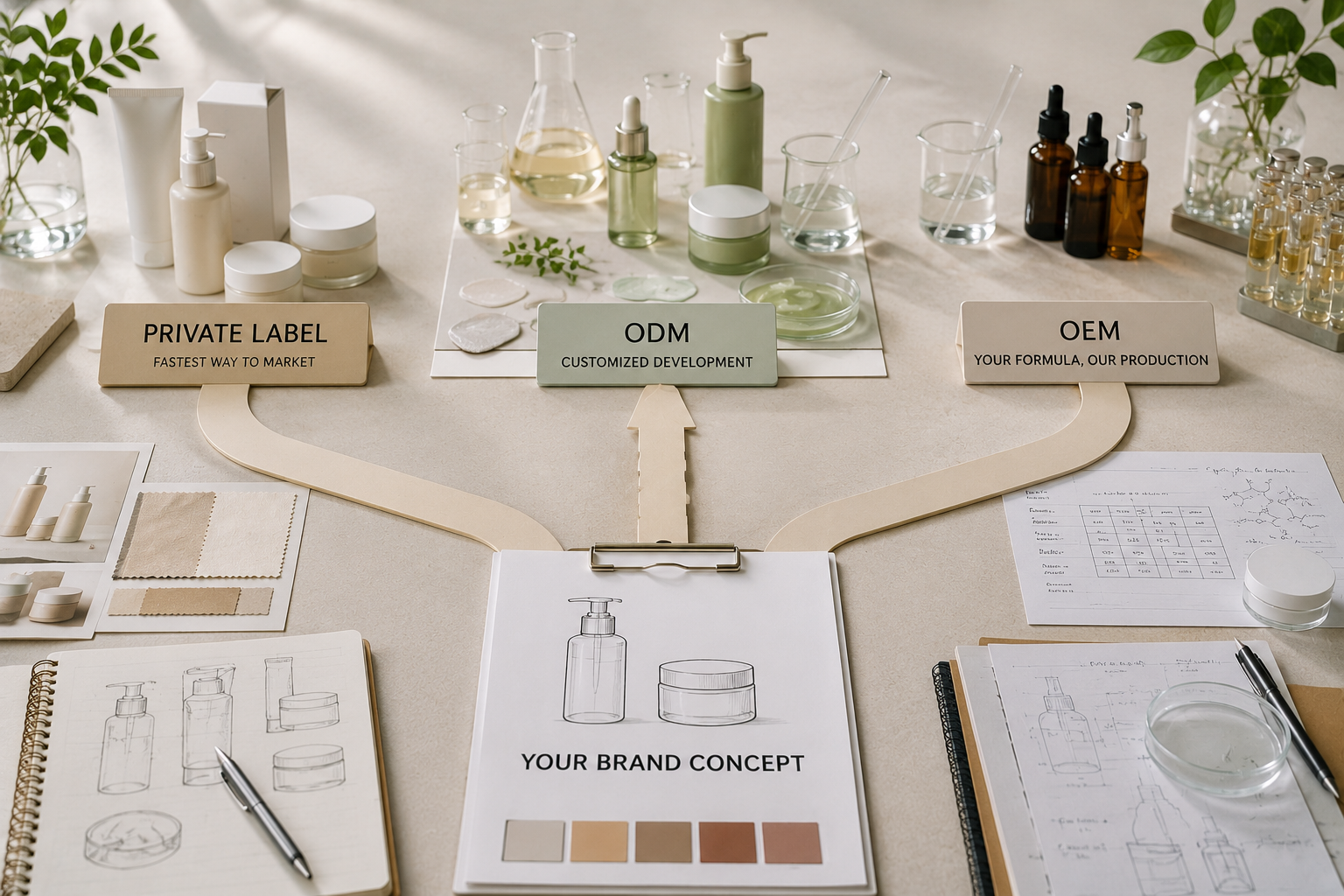
OEM vs ODM vs Private Label: Which Cosmetics Manufacturing Model Fits You
Private label, ODM, and OEM all offer different paths to market. Understanding who owns the formula, who handles product development, and how costs, lead times, and customization differ can help brands choose the manufacturing model that best fits their stage of growth.
How to Launch a Private Label Sunscreen Brand
Launch a private label sunscreen brand the compliant way. Understand SPF as an OTC drug in the US, Canadian rules, formats, MOQ, and lead times.
What Is PDRN? The K-Beauty Active Brands Are Racing to Launch
PDRN has quickly become one of the most talked-about K-beauty ingredients, appearing in serums, ampoules, creams, and eye care products. This guide explains what PDRN is, how it is used in skincare formulations, and what brands need to know before bringing a compliant PDRN product to market.
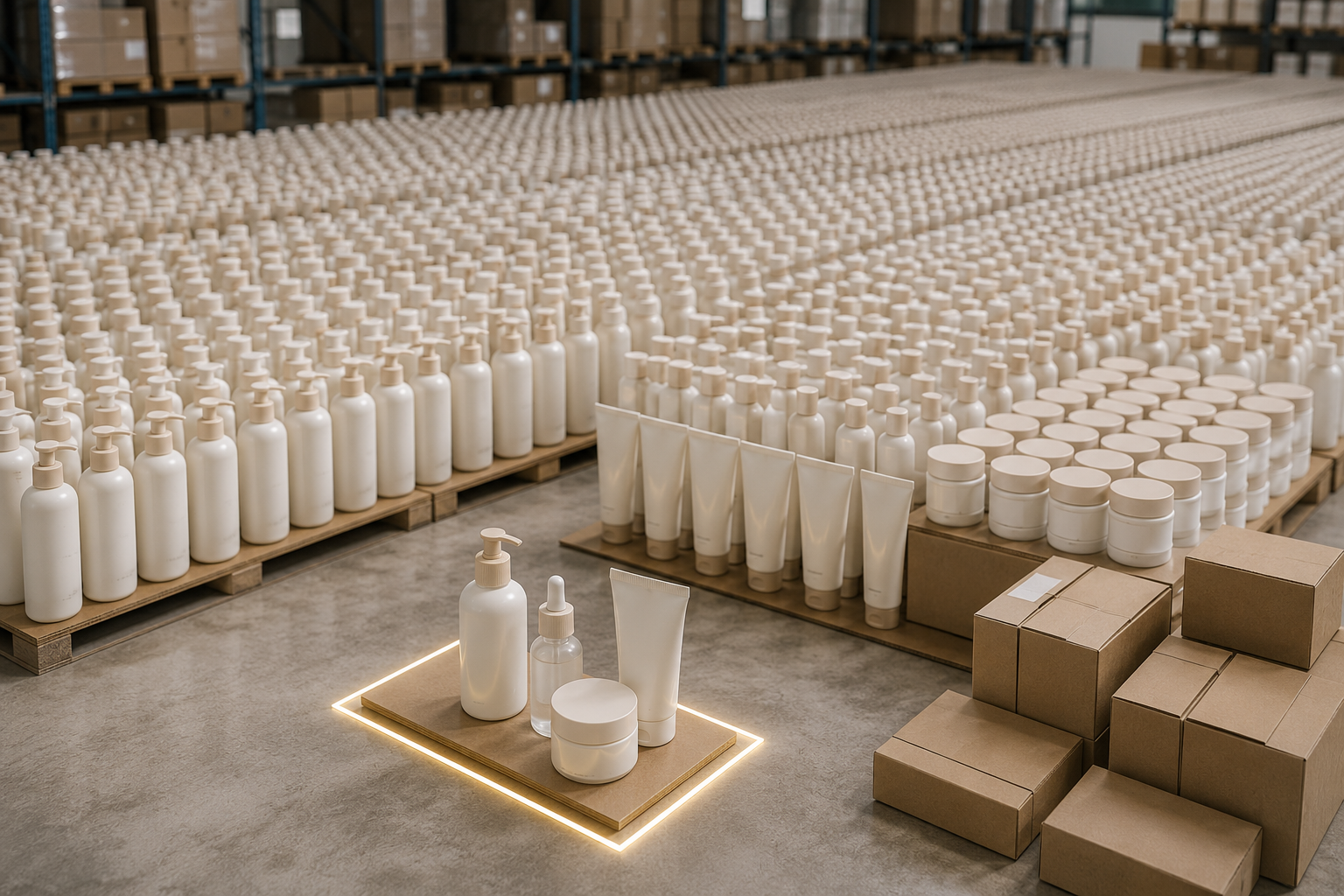
Private Label Skincare MOQ Explained (And Why Lowest Isn't Best)
The lowest MOQ is not always the lowest-cost launch. Understanding how formulation, packaging, compliance, testing, and inventory planning affect minimum order quantities helps skincare founders choose a manufacturing partner that supports long-term growth rather than simply reducing the first invoice.
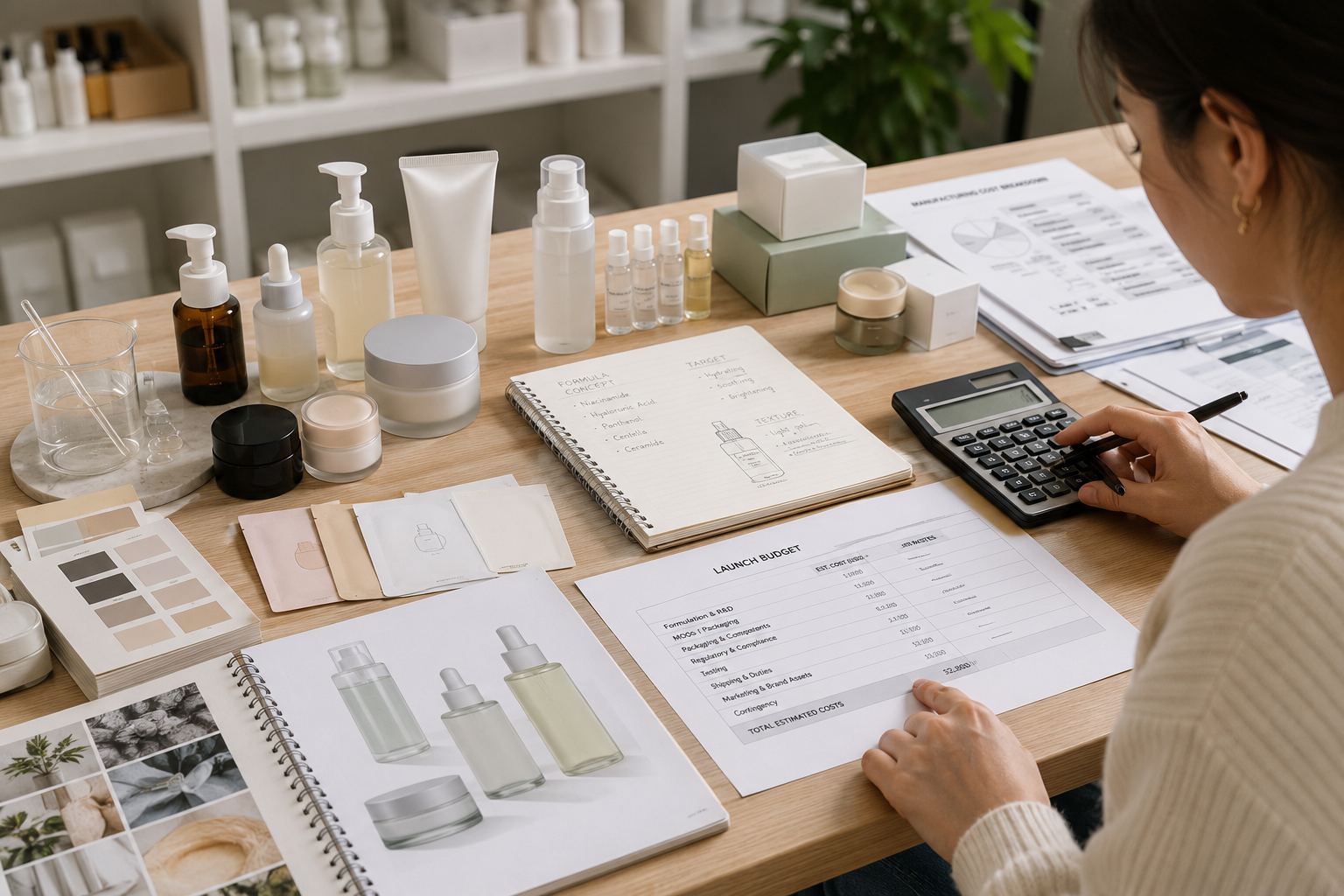
How Much It Costs to Make a Skincare Line in 2026 (Real Numbers)
A realistic first run of a skincare line typically costs between USD 8,000 and USD 40,000, depending on formulation, packaging, compliance, and order volume. This guide breaks down every major cost category so founders can build a launch budget with confidence.
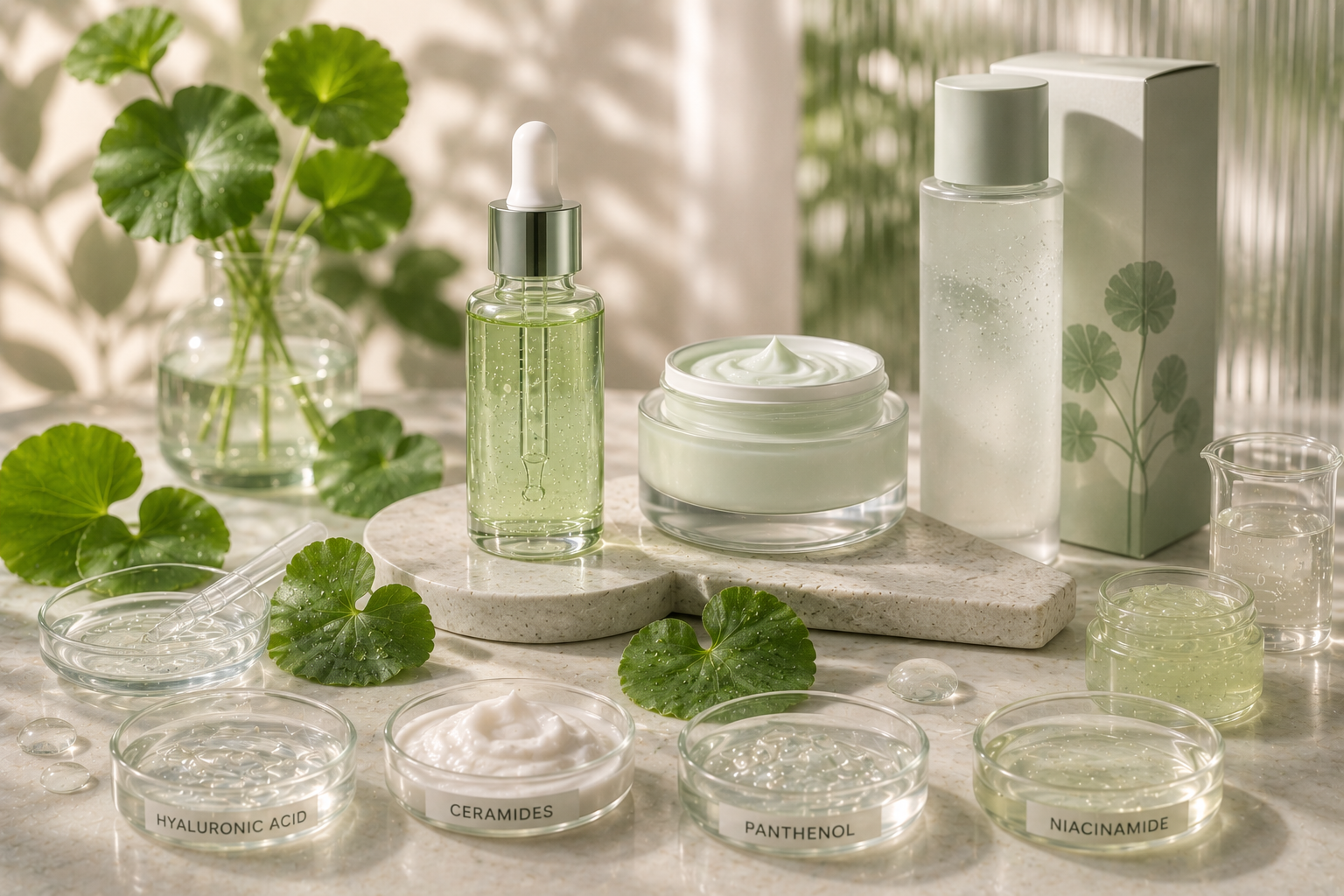
Centella (Cica) Skincare: The Soothing K-Beauty Active Explained
Understand centella (cica) skincare, why it soothes and supports the barrier, and how to private label a cica line with a Canadian-owned manufacturer.
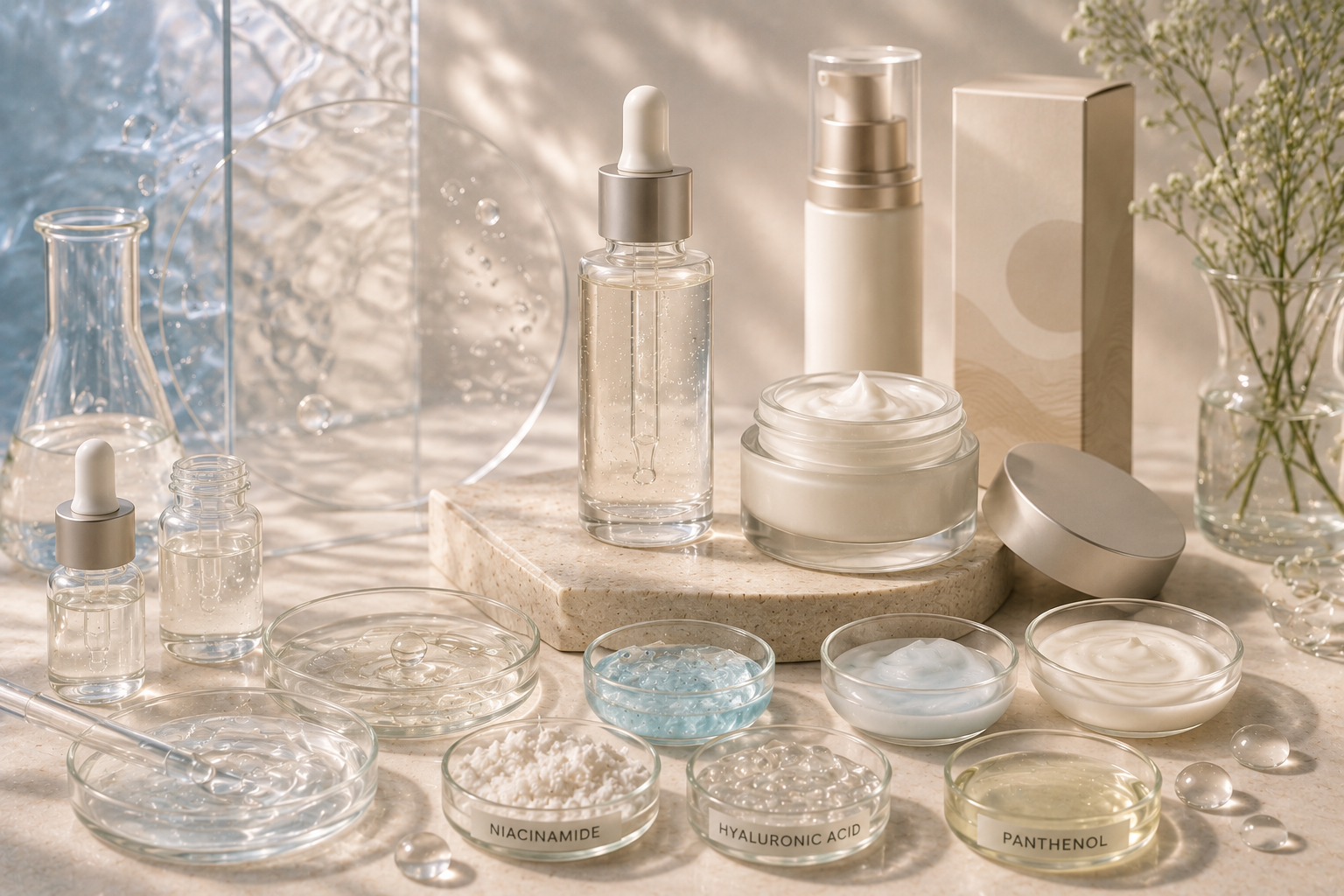
Niacinamide in Skincare: Benefits and Private Label Formulation
See how niacinamide supports barrier, tone, and oil control, the right concentration, ceramide pairing, and how to private label a niacinamide line with Hong Shin.
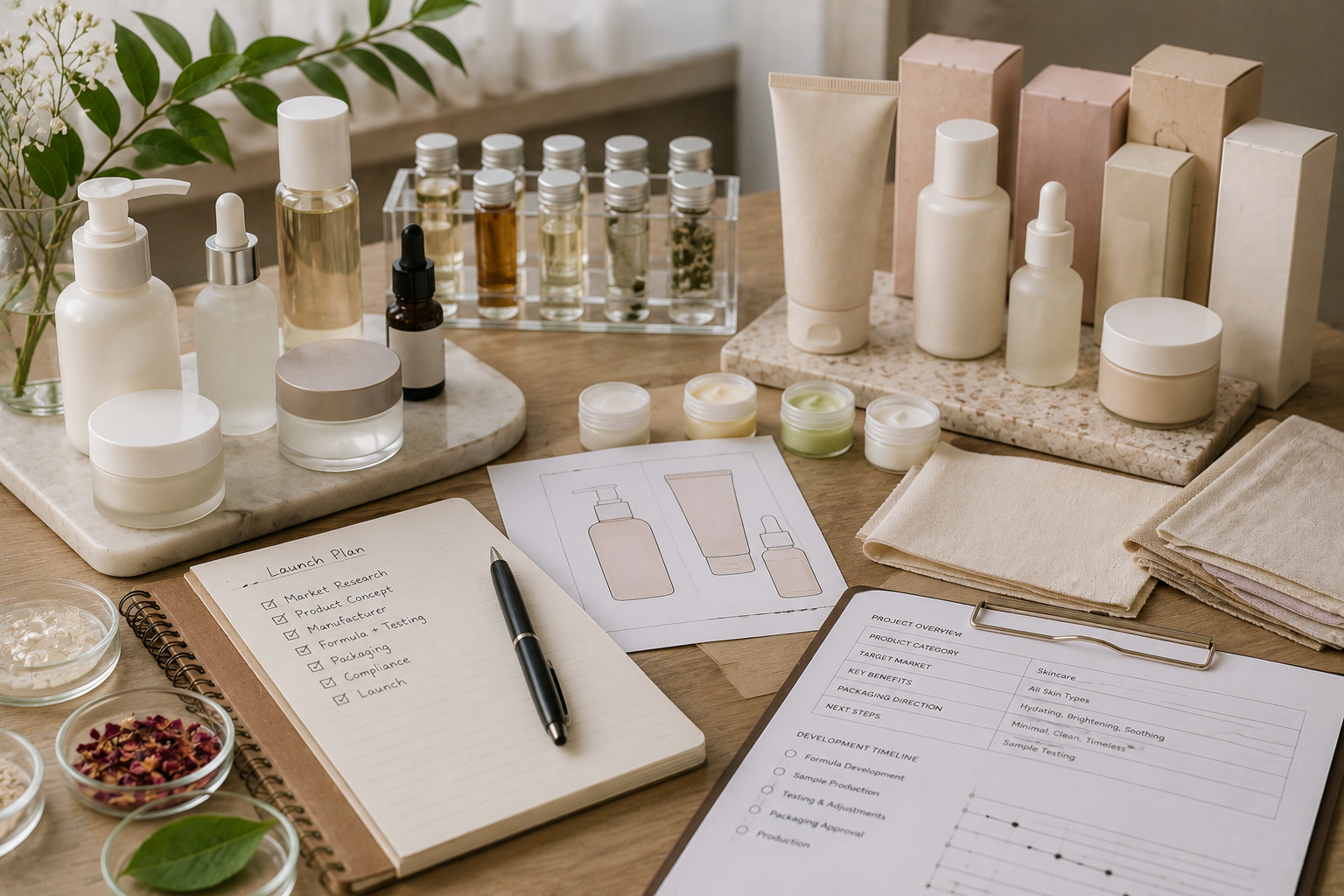
How to Find a Private Label Skincare Manufacturer (2026 Founder's Guide)
Choosing the right private label skincare manufacturer can determine your costs, timelines, and regulatory success for years to come. This guide explains how to evaluate suppliers, verify certifications, understand realistic MOQs, and find a manufacturing partner that can grow with your brand.
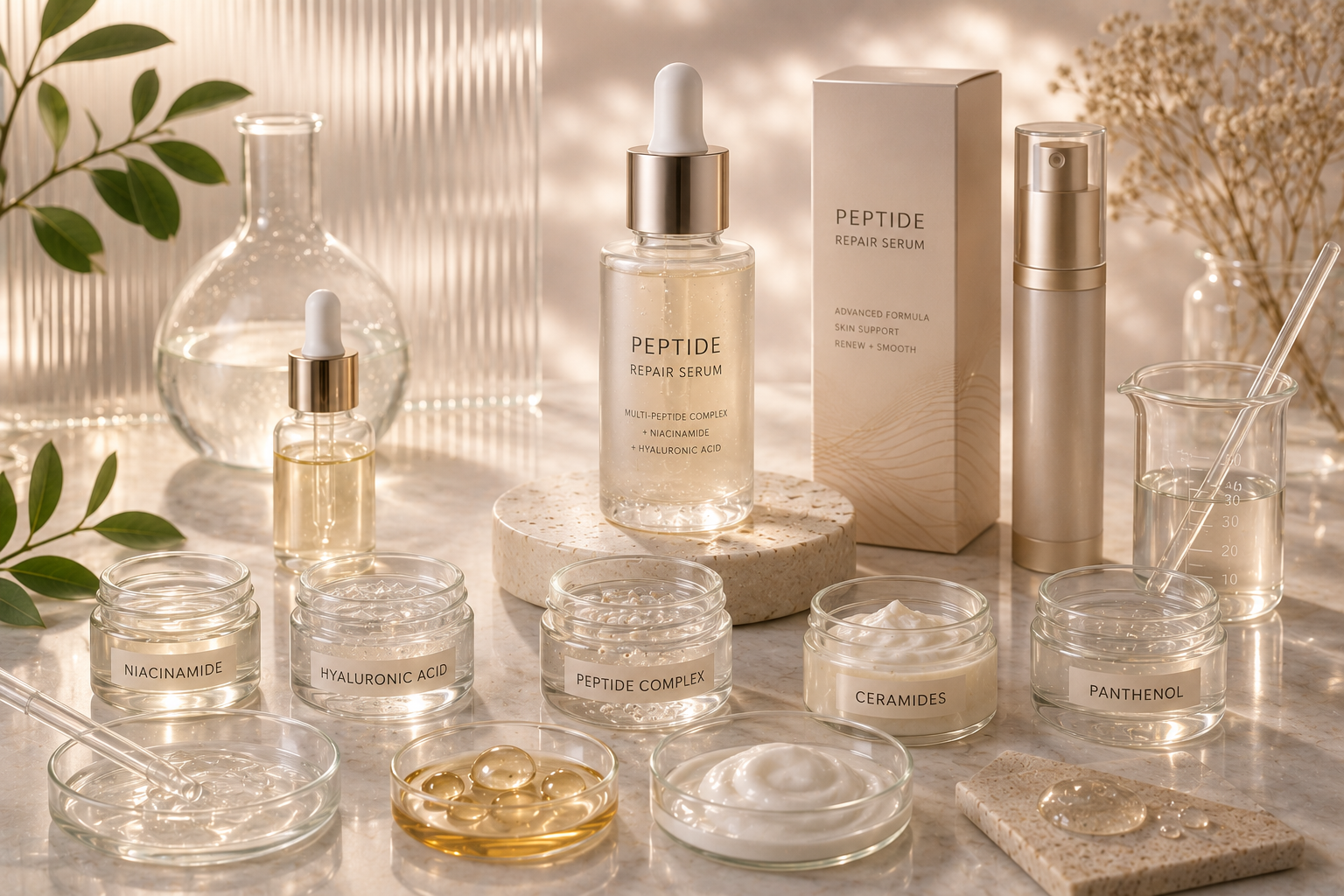
Peptides in Skincare: What They Do and How to Formulate Them
Learn what peptides do in skincare, how the main types differ, what you can honestly claim, and how to private label a peptide serum or cream.
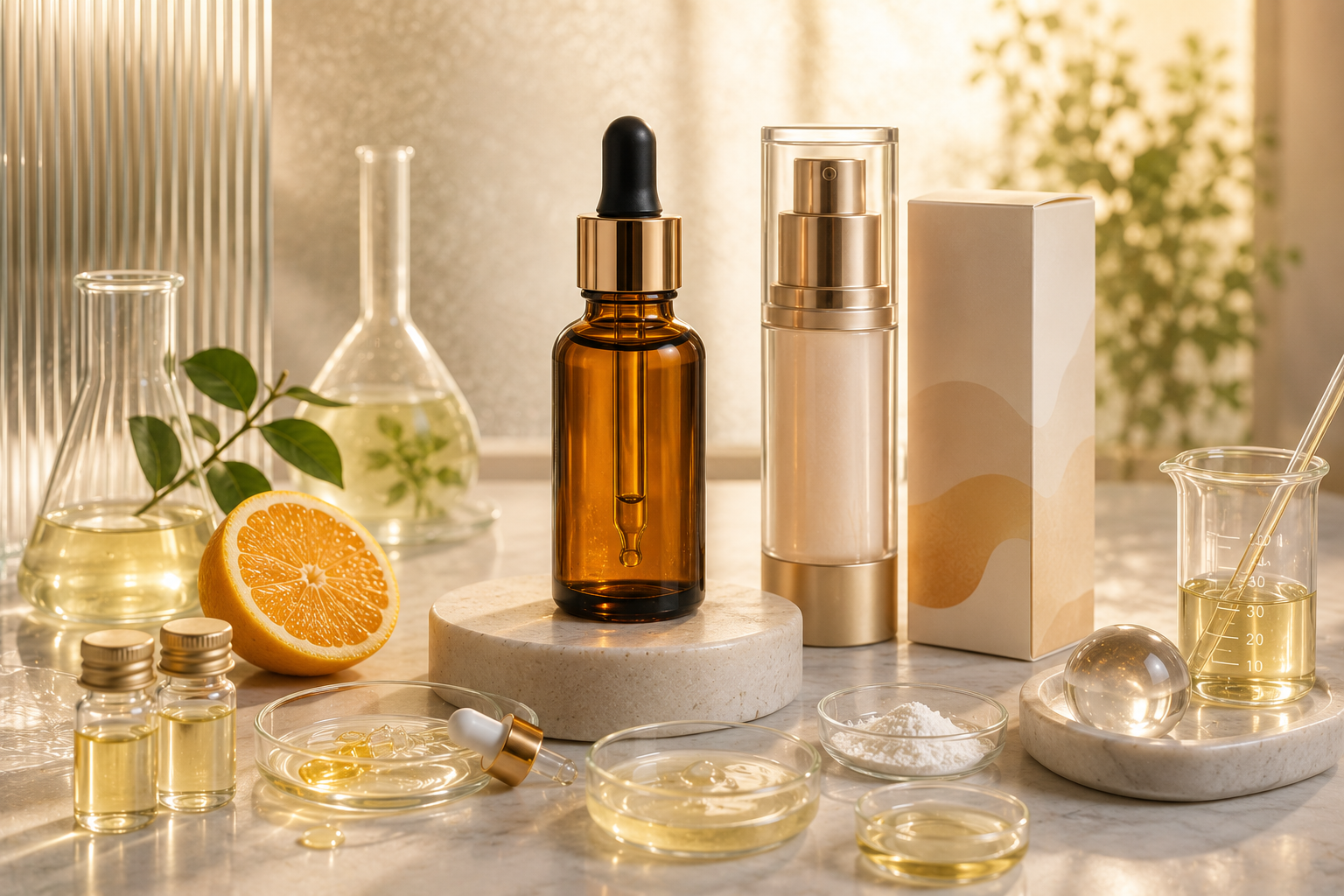
Vitamin C Serums: Benefits, Formulation, and Private Label
Learn what vitamin C serum does, why it is hard to stabilize, which formats sell, and how to launch a private label vitamin C serum with a compliant manufacturer.
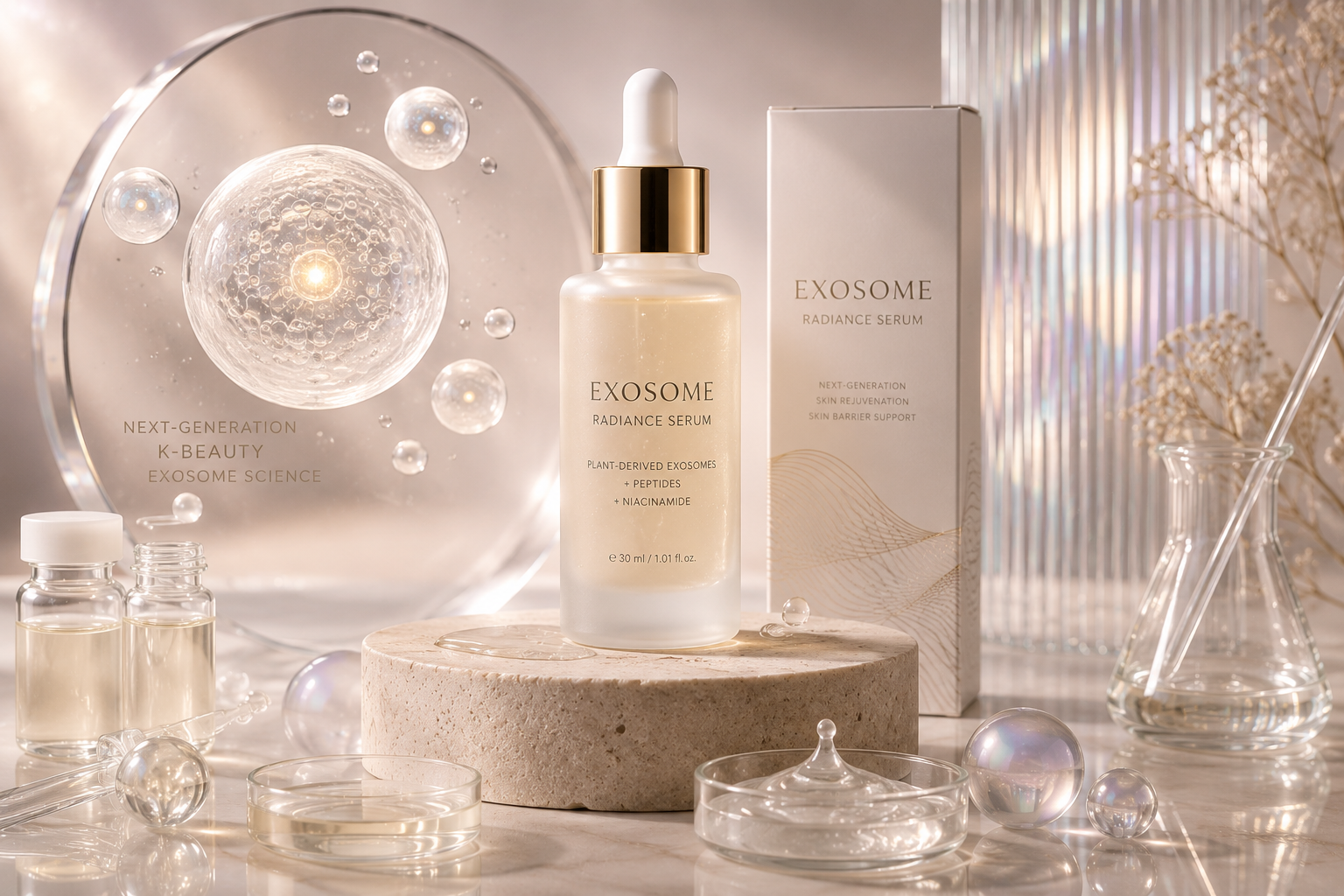
What Is Exosome Skincare? The Next K-Beauty Breakout
Understand exosome skincare, the K-beauty trend behind it, and the honest claims rules. See how indie brands formulate and launch a compliant line.
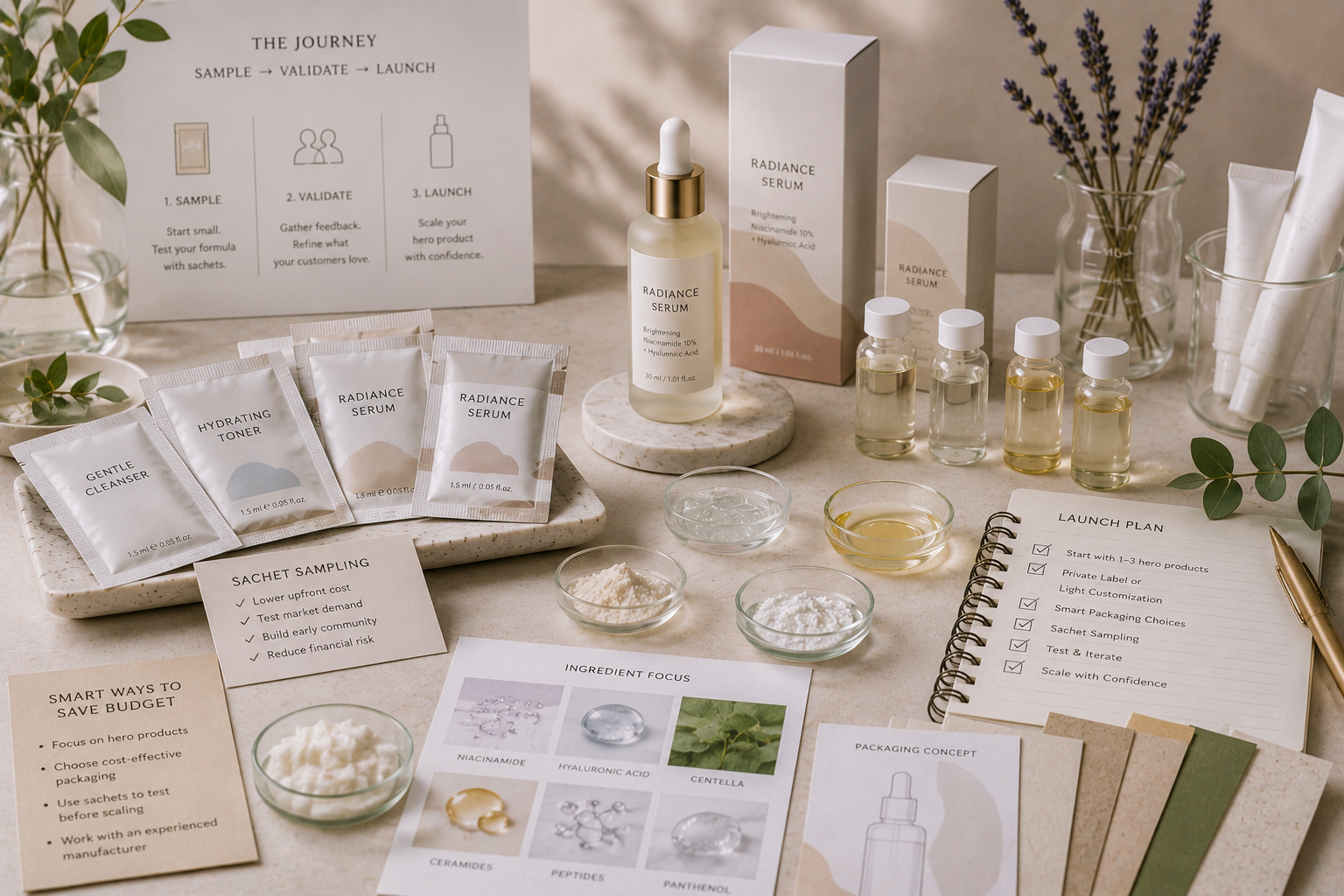
How to Start a Skincare Line on a Small Budget
Start a skincare line on a small budget: compare private label vs custom, use sachet sampling as a low-commitment on-ramp, and know where to save and where not to.