
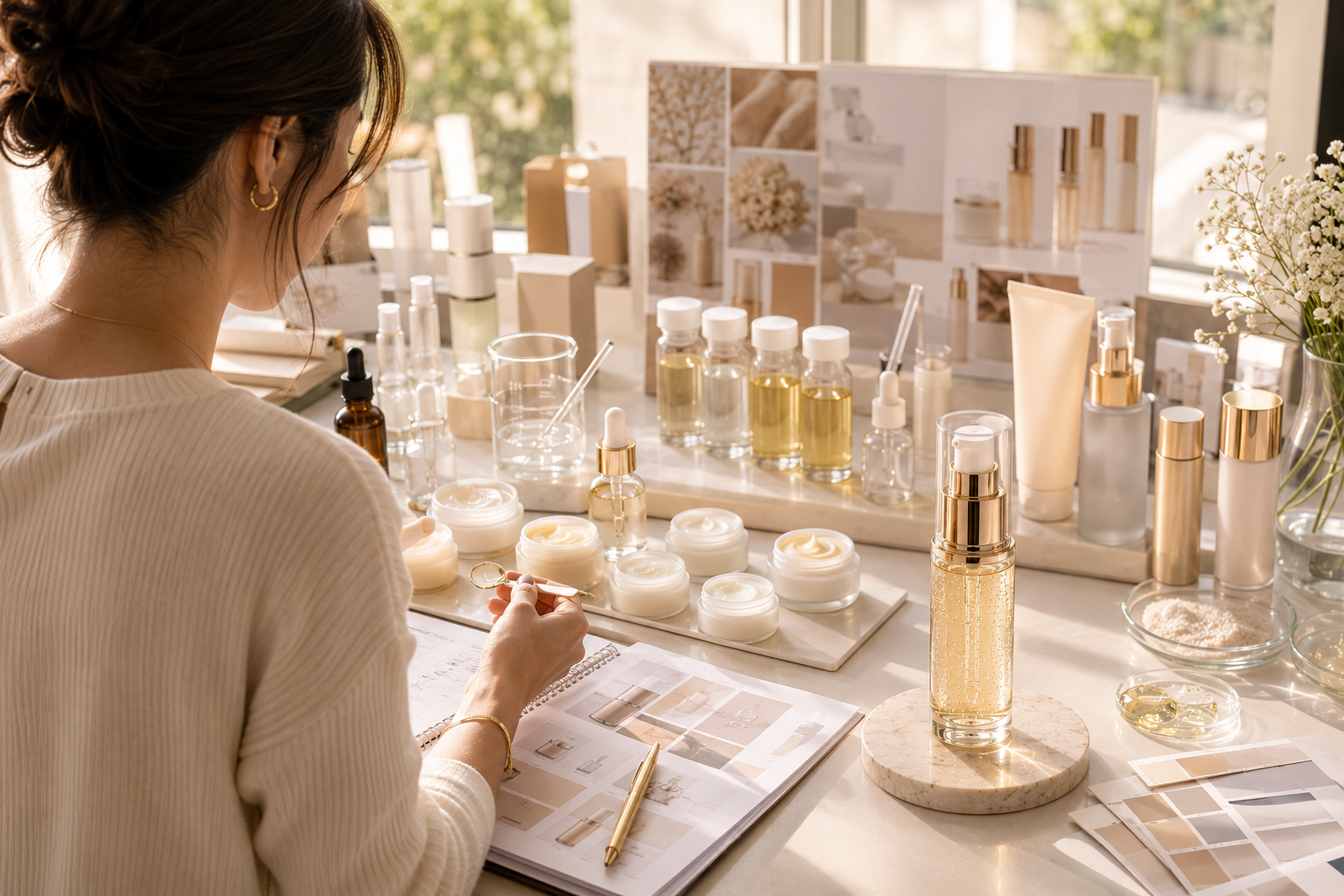
How to Formulate a Skincare Product: From Idea to Lab
Learn how to formulate skincare the real way: from brief to formula brief, R&D, stability and PET testing, pilot run, and scale. What you control vs the lab.
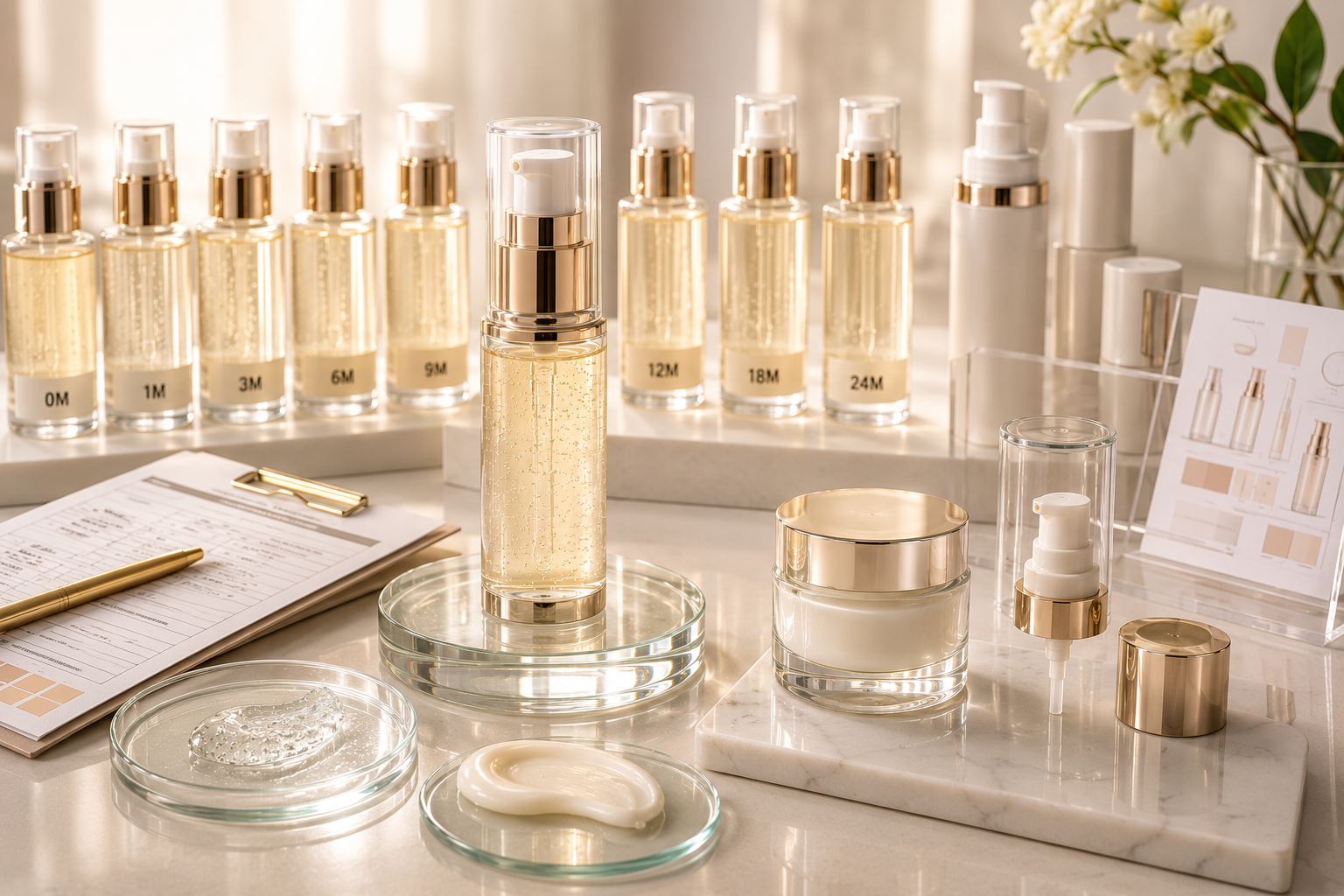
Cosmetic Stability Testing Explained
Understand cosmetic stability testing and PET: accelerated vs real-time methods, typical timelines, cost drivers, and why retailers and regulators expect it.
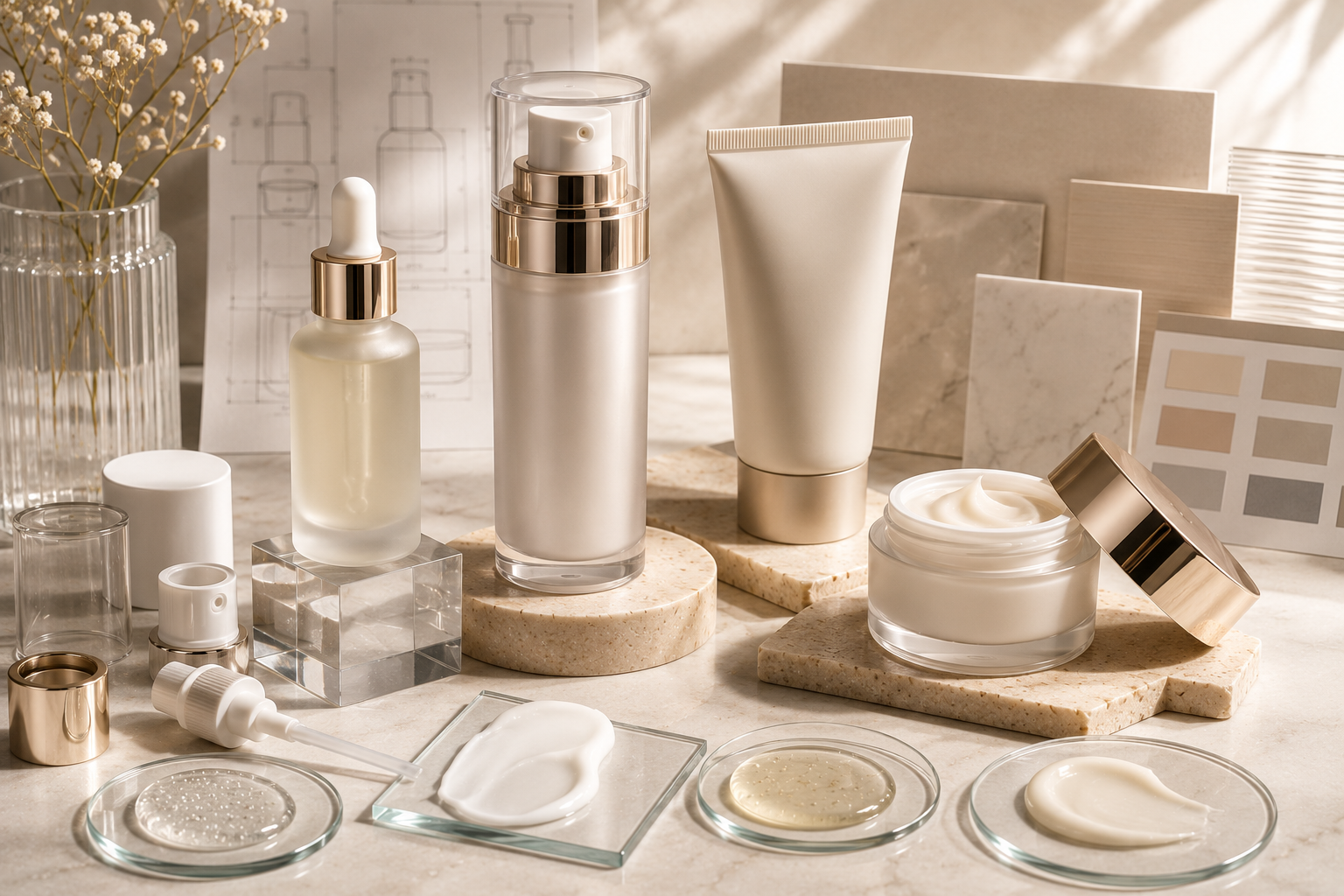
Skincare Packaging: Types, Sourcing, and Compliance
Compare skincare packaging types, learn which formats protect actives, plan sourcing and MOQs, and meet INCI, bilingual Canadian labeling, and claims rules.
Retinol vs Retinal vs Retinoids: A Brand Founder Guide
Compare retinol vs retinal vs retinoids before you formulate. Learn the potency ladder, the cosmetic vs drug line, and which actives a brand can private label.
Azelaic Acid: Rosacea, Texture, and the Regulatory Line
Formulate azelaic acid the right way: where the cosmetic line sits, how to solve crystallization and pH, and the claims a manufacturer must hold to.
Tranexamic Acid for Dark Spots: What Brands Should Know
Learn how to formulate topical tranexamic acid for the look of dark spots, keep claims cosmetic and distinct from oral prescription use, and avoid common launch pitfalls.
Hyaluronic Acid Serums: A Formulation and Launch Guide
Learn how to formulate and launch a private label hyaluronic acid serum: molecular weights, the dry-climate humectant caveat, layering, MOQs, and lead times.
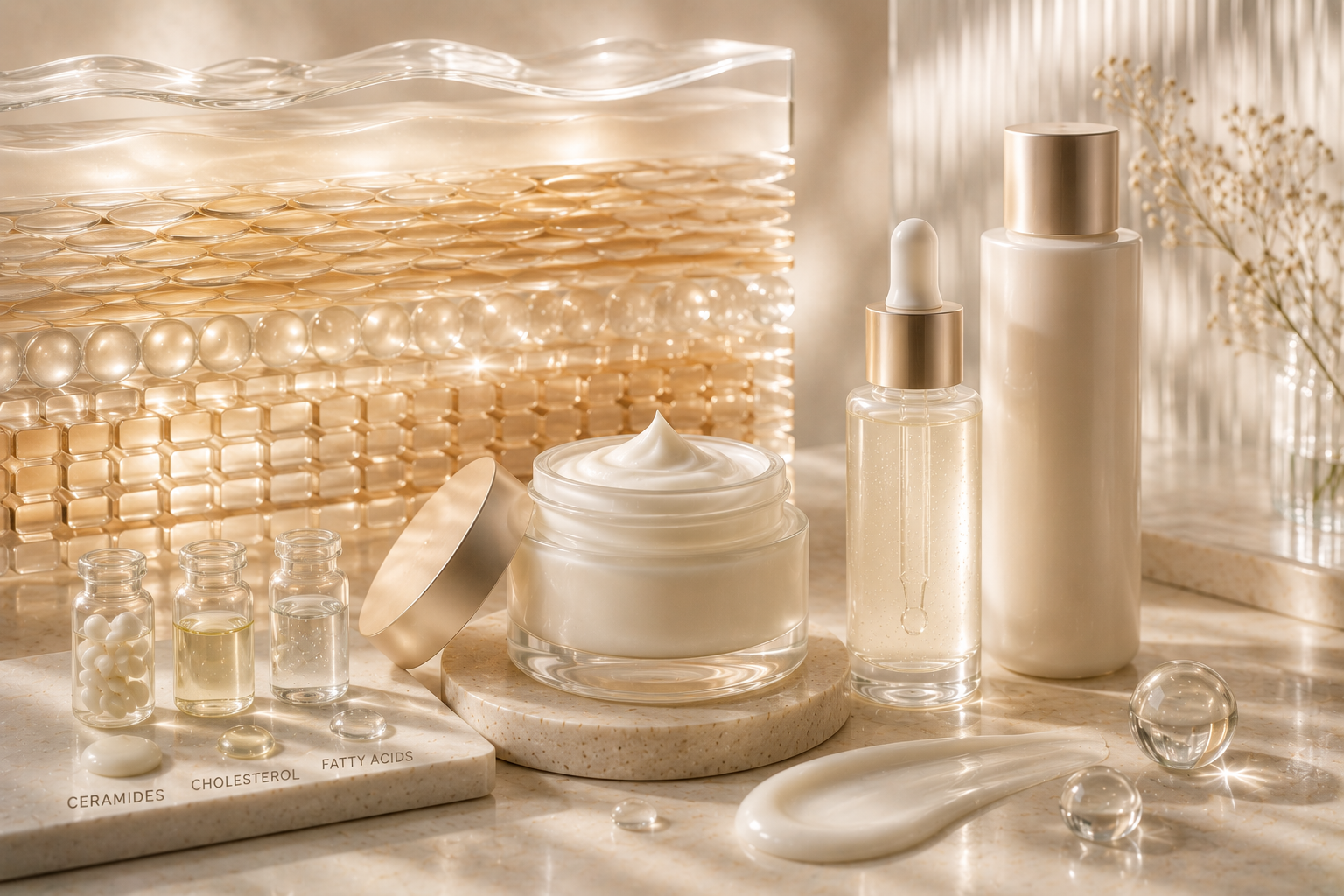
Ceramides in Skincare: Barrier Repair and Private Label
Learn how ceramides repair the skin barrier, why they pair with niacinamide and cholesterol, and how to private label a stable ceramide formula at scale.
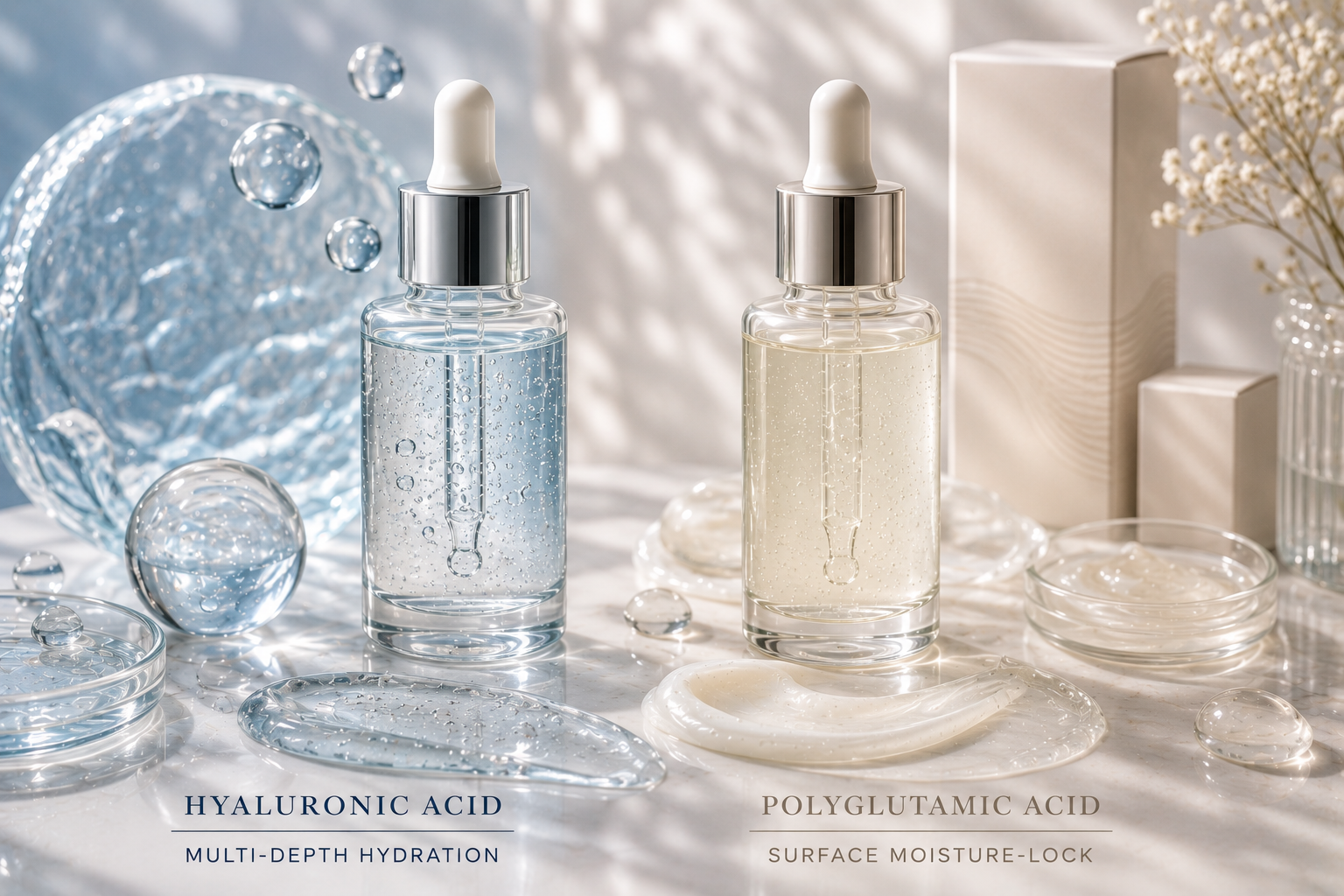
Polyglutamic Acid vs Hyaluronic Acid: The Hydration Showdown
Compare polyglutamic acid vs hyaluronic acid on water-holding, molecular size, and layering, then learn how to private label a PGA or PGA+HA serum.
Snail Mucin: The K-Beauty Hydrator and How to Launch One
Learn what snail mucin is, why it hydrates, why it is not vegan, and how to source, preserve, and launch a compliant snail secretion filtrate product.
How to Launch a Private Label Sunscreen Brand
Launch a private label sunscreen brand the compliant way. Understand SPF as an OTC drug in the US, Canadian rules, formats, MOQ, and lead times.
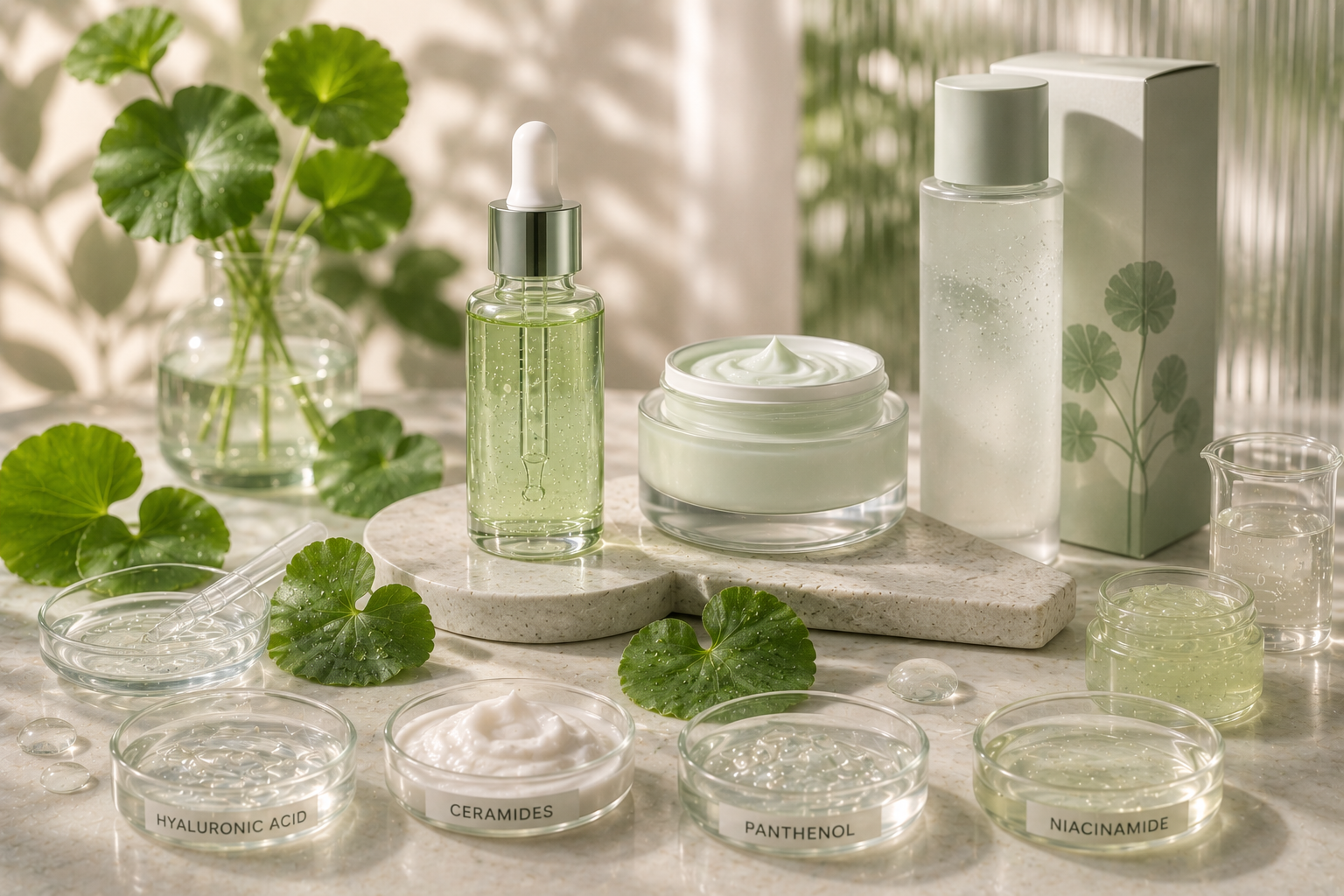
Centella (Cica) Skincare: The Soothing K-Beauty Active Explained
Understand centella (cica) skincare, why it soothes and supports the barrier, and how to private label a cica line with a Canadian-owned manufacturer.
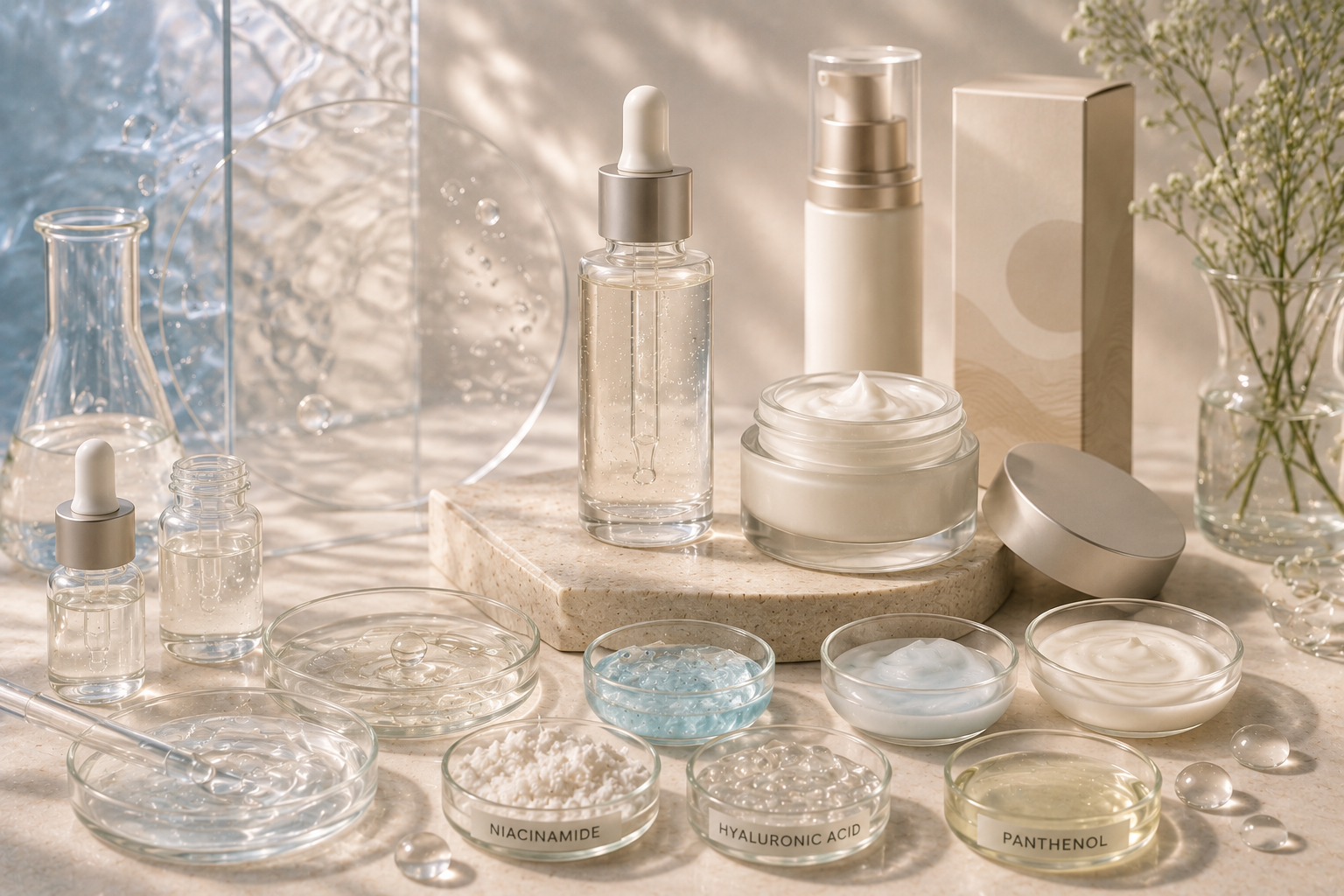
Niacinamide in Skincare: Benefits and Private Label Formulation
See how niacinamide supports barrier, tone, and oil control, the right concentration, ceramide pairing, and how to private label a niacinamide line with Hong Shin.
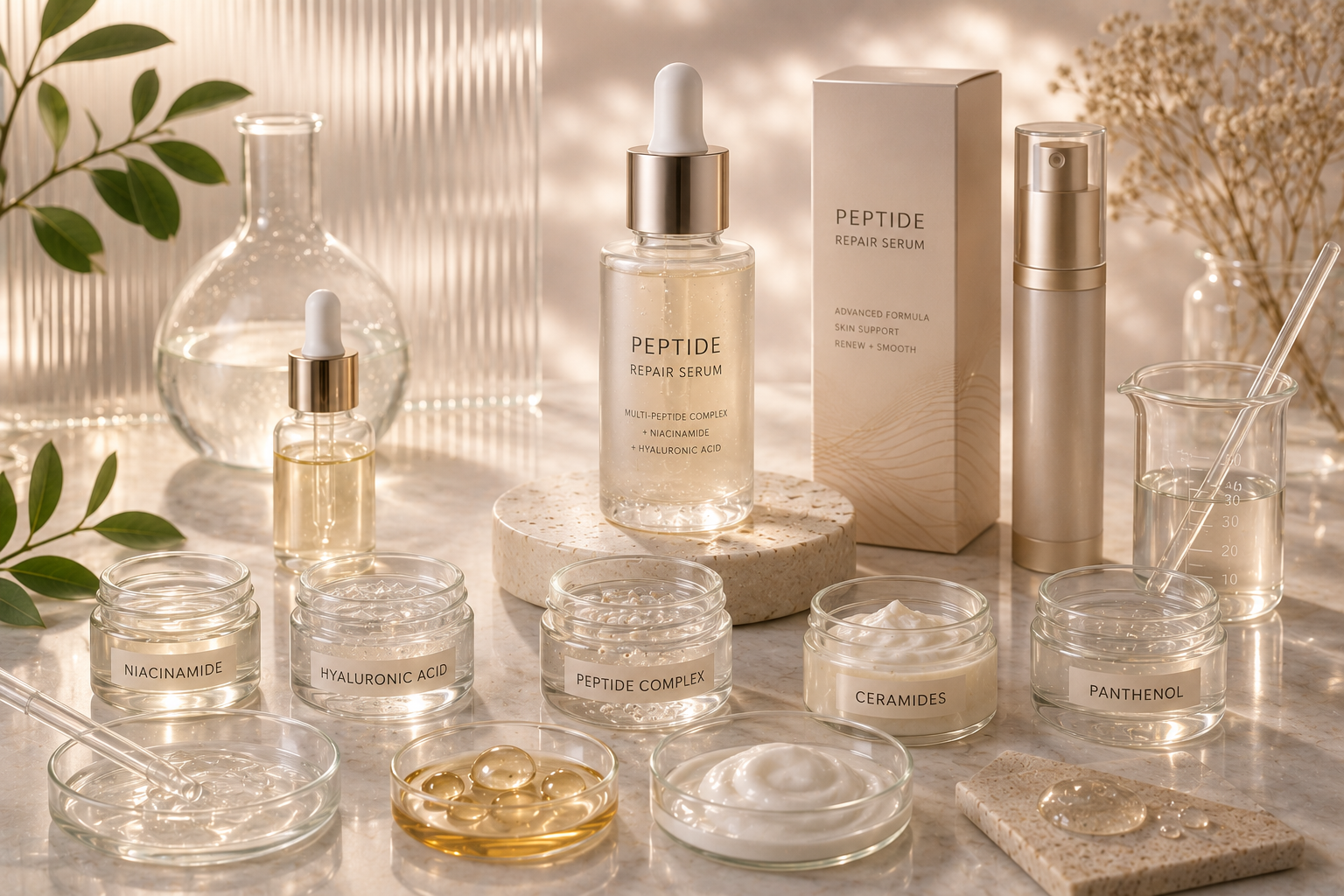
Peptides in Skincare: What They Do and How to Formulate Them
Learn what peptides do in skincare, how the main types differ, what you can honestly claim, and how to private label a peptide serum or cream.
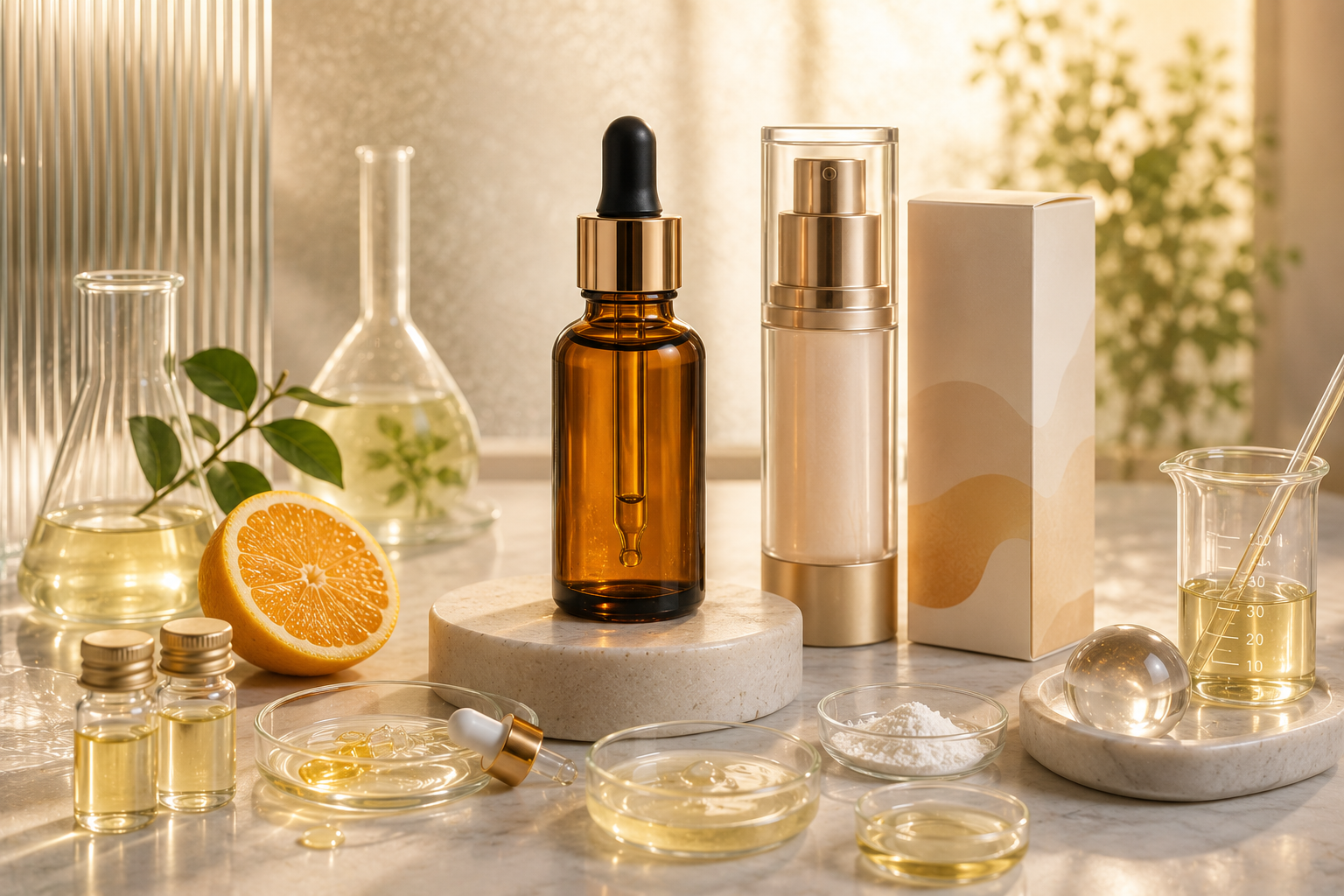
Vitamin C Serums: Benefits, Formulation, and Private Label
Learn what vitamin C serum does, why it is hard to stabilize, which formats sell, and how to launch a private label vitamin C serum with a compliant manufacturer.
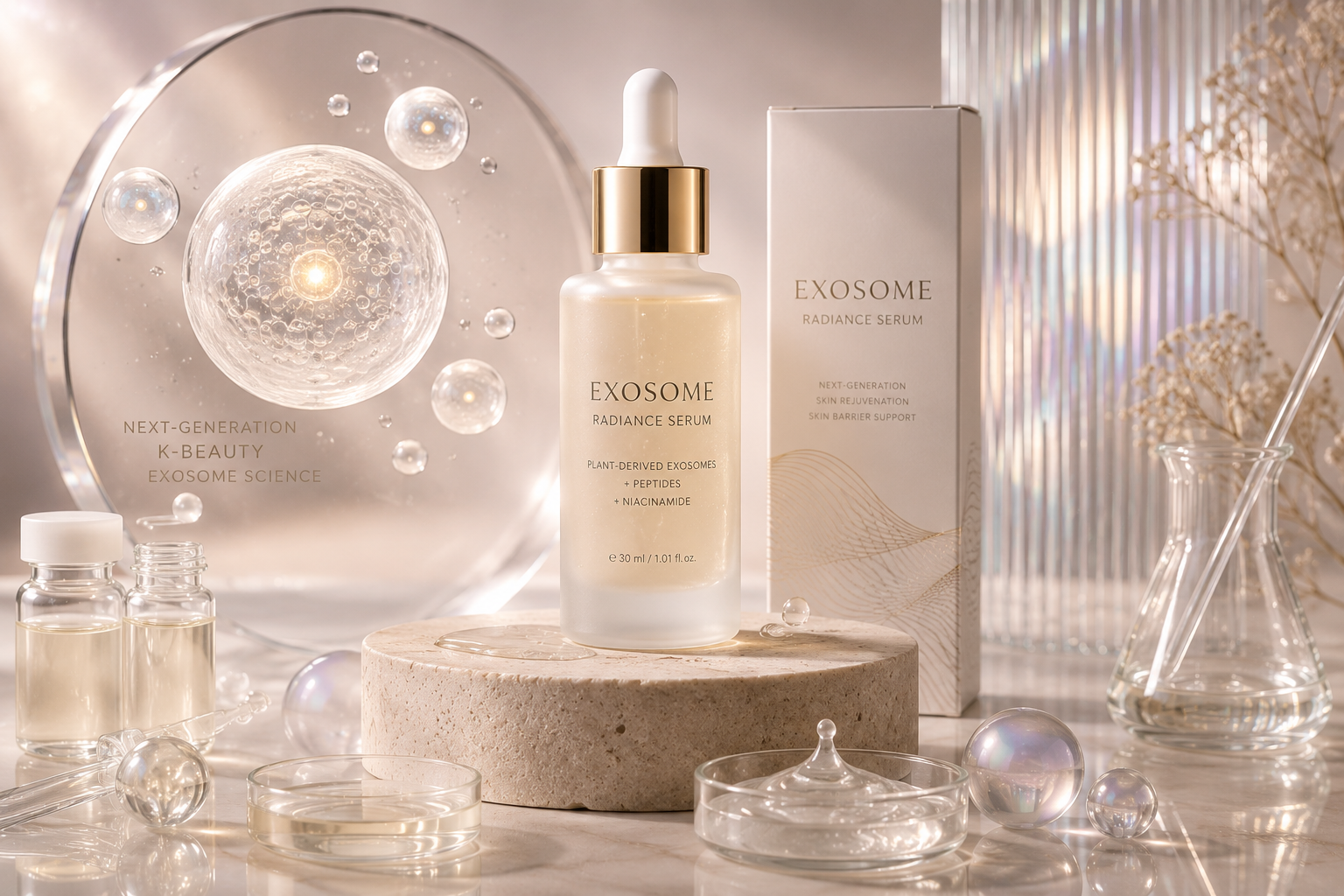
What Is Exosome Skincare? The Next K-Beauty Breakout
Understand exosome skincare, the K-beauty trend behind it, and the honest claims rules. See how indie brands formulate and launch a compliant line.
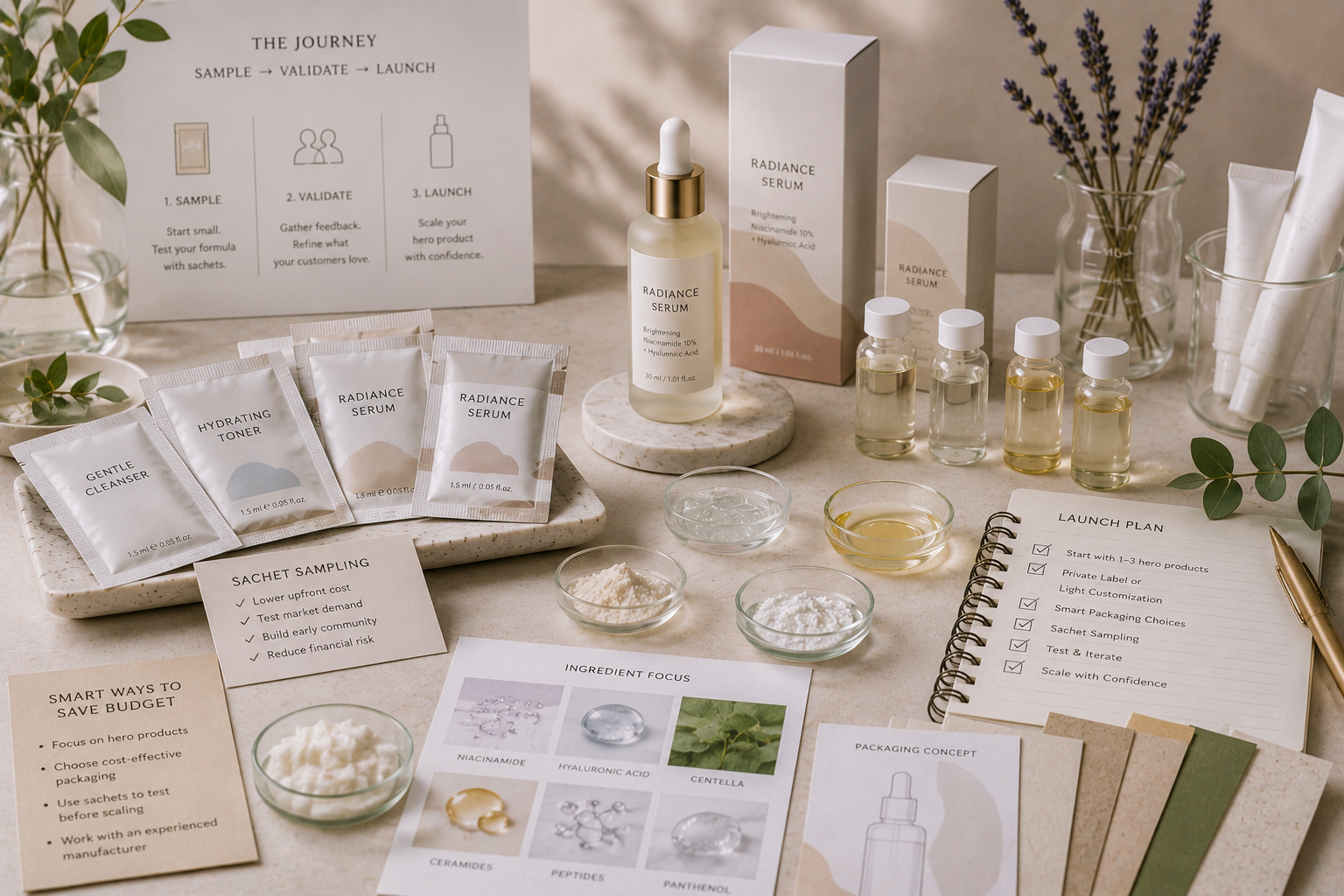
How to Start a Skincare Line on a Small Budget
Start a skincare line on a small budget: compare private label vs custom, use sachet sampling as a low-commitment on-ramp, and know where to save and where not to.

How Much Does It Cost to Start a Skincare Line in the US?
Budget your US skincare launch with real cost ranges for formulation, MOQs, packaging, MoCRA, and lead time. See where the money goes and how to plan a first run.
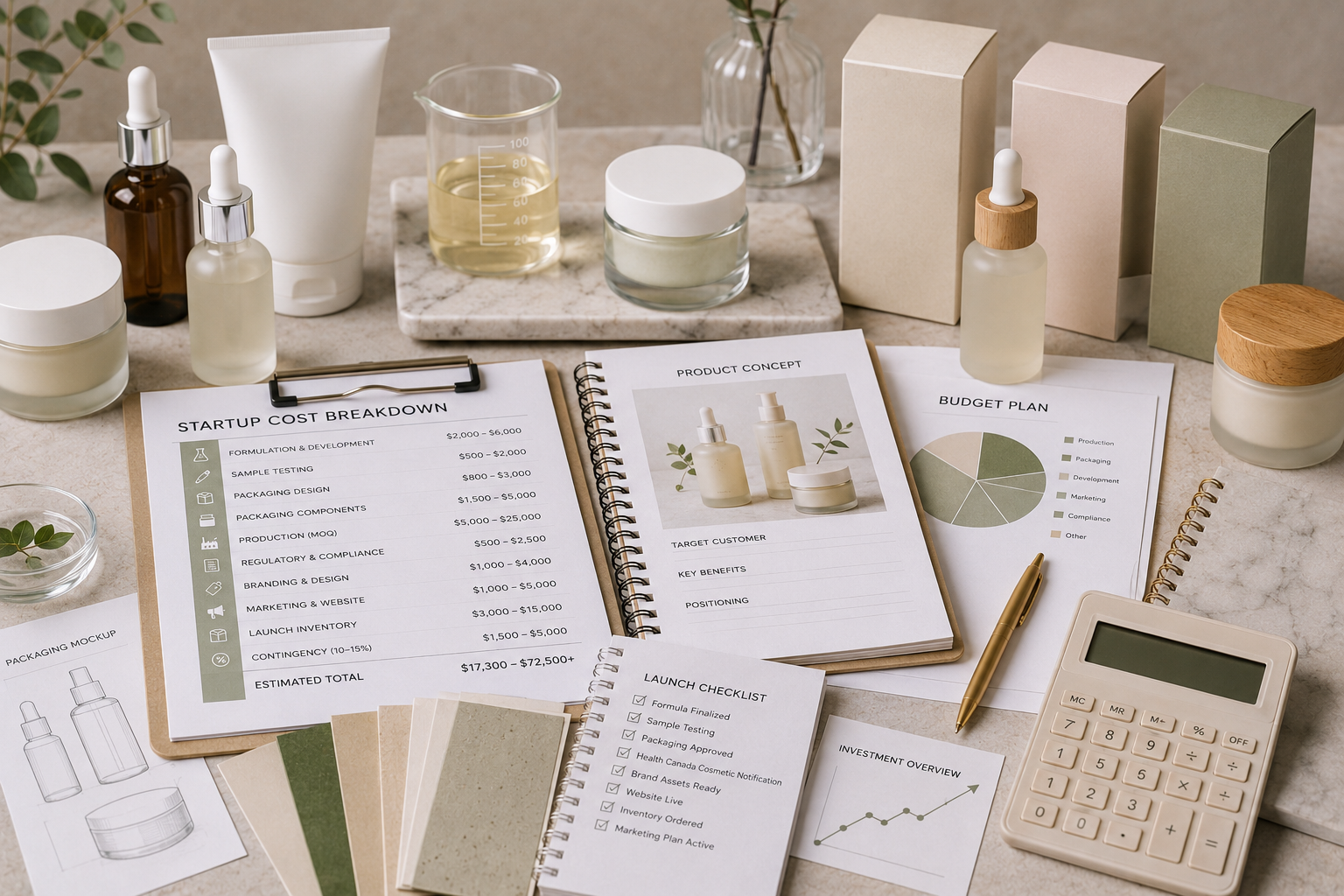
How Much Does It Cost to Start a Skincare Brand in Canada?
See real cost ranges to start a skincare brand in Canada: formulation, MOQ, packaging, NPN and notification, plus lead times. Plan your launch budget with confidence.
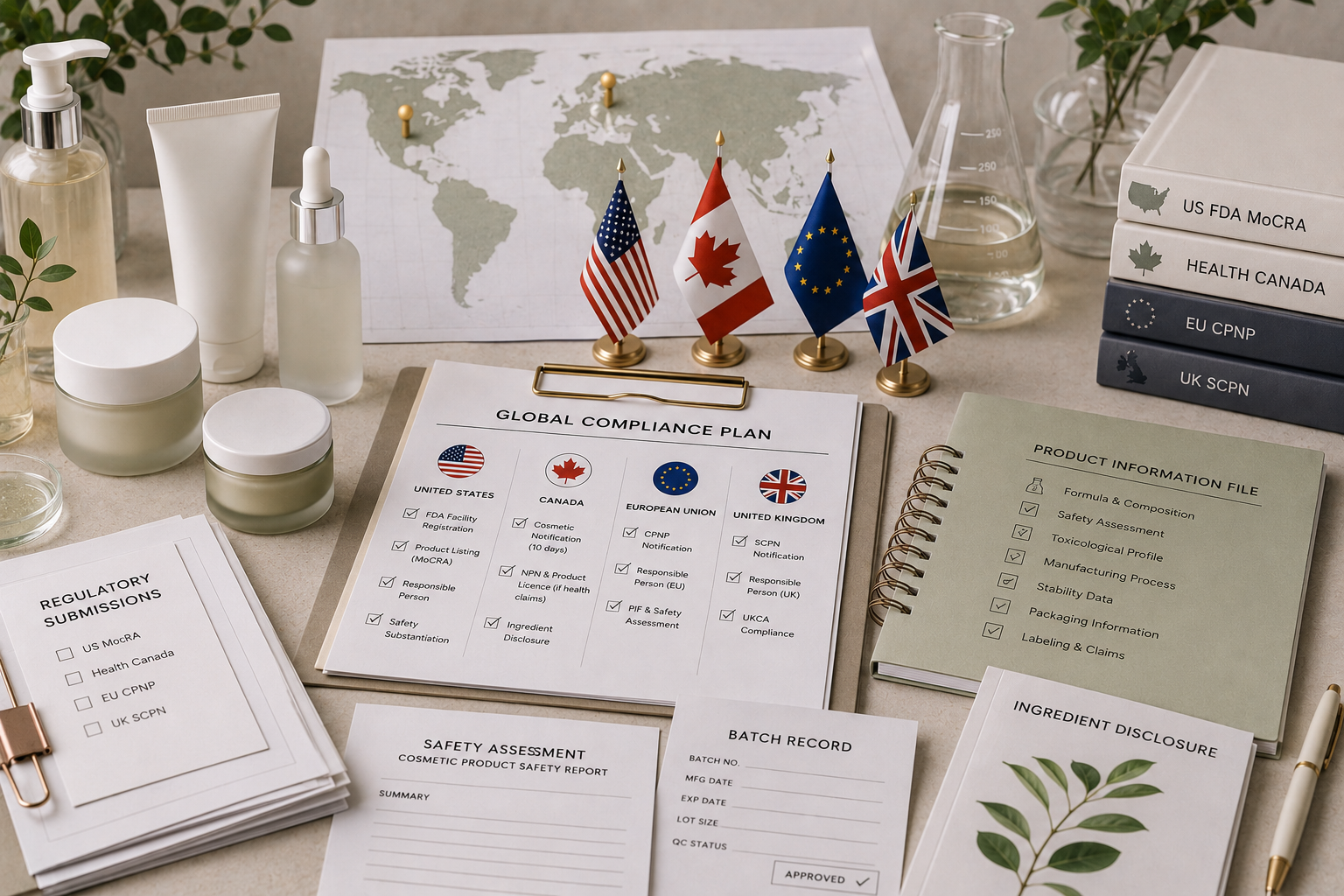
Selling Skincare in the US, Canada, and the EU: A Compliance Guide
Compare US FDA MoCRA, Canada cosmetic notification plus NPN, EU CPNP and UK SCPN pathways so your indie beauty brand launches cleanly across all four markets.