Beef Tallow Skincare: What Brands Should Know
Beef tallow skincare has moved from a niche corner of the "ancestral" wellness world to a category that mainstream buyers now search for by name. If you are weighing a launch, the questions worth answering first are practical ones. Is beef tallow good for skin, what does a tallow balm actually deliver, and where do the marketing claims cross a line. This guide walks through the appeal, the real formulation challenges, what grass fed tallow skincare sourcing involves, and how to bring a compliant product to market through a certified manufacturer that handles quality control and the regulatory paperwork a real launch needs.
What beef tallow skincare is, in plain terms
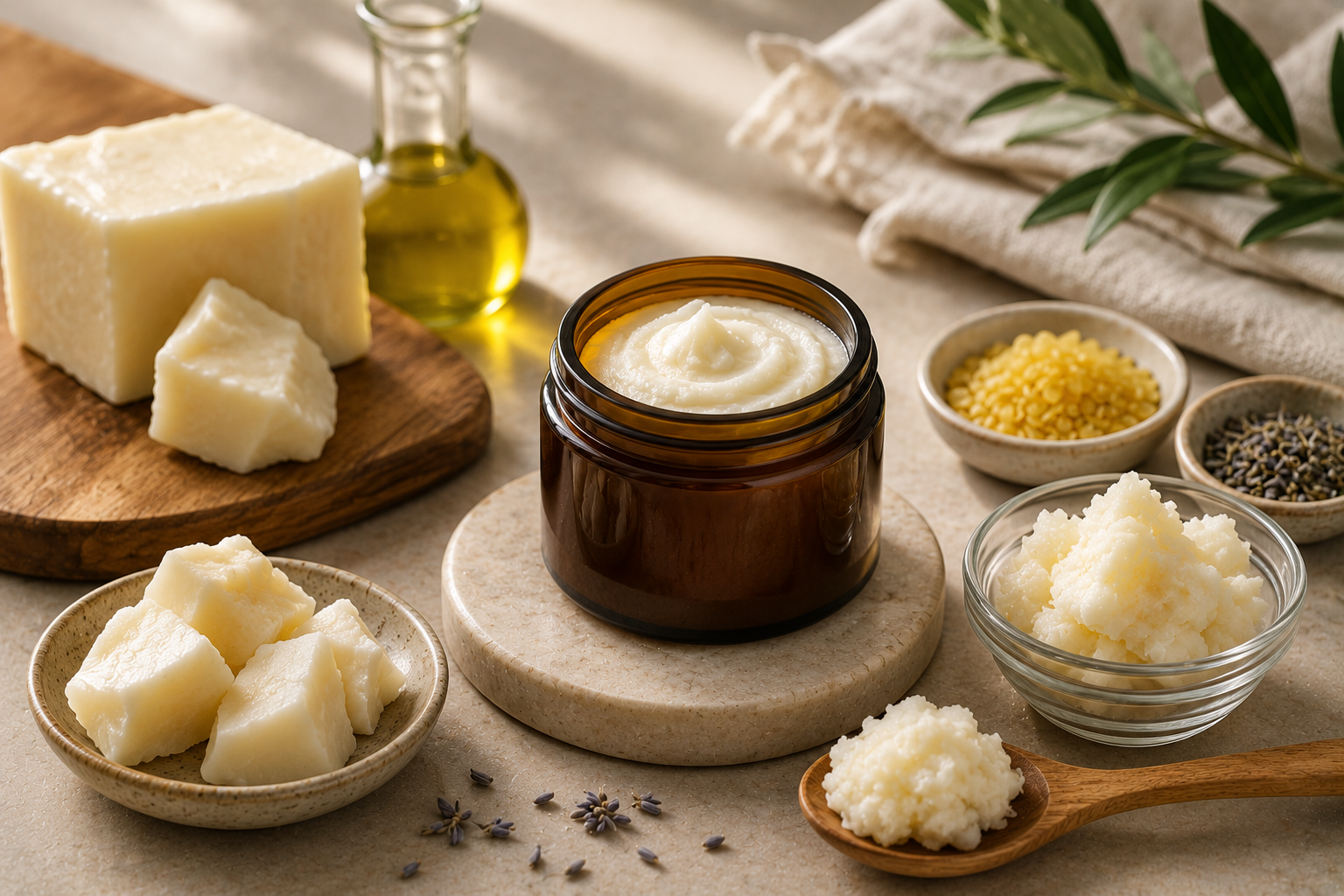
Beef tallow is rendered fat from cattle, purified and filtered into a stable, skin-grade base. In cosmetic use it appears on ingredient lists under names like Bos taurus (beef) tallow or a further-processed derivative. It is a rich, largely occlusive material, which is the property most brands are selling when they talk about beef tallow for skin.
The composition is the reason it works as a skincare base. Tallow is built from fatty acids that sit close to those found in human sebum, including oleic, stearic, and palmitic acids, which is the technical basis for the "biocompatible" language you see in the category. In a finished product it usually shows up as a tallow balm, a whipped body butter, or a blended salve rather than a thin lotion, because the raw material is firm at room temperature.
So when someone asks what beef tallow skincare actually is at the formulation level, the short answer is this. It is an animal-derived occlusive and emollient base, prized for a heavy, sealing feel, formulated into balms and butters for dry or compromised skin. It is a cosmetic. It is not a drug, and the way it is described has to stay inside cosmetic language, which is the part most first-time brands underestimate.
Why brands are launching beef tallow products
Consumer interest in beef tallow for skin has climbed sharply, pulled along by the wider "clean", "ancestral", and single-ingredient movements. Search demand and social mentions have grown across North American markets in particular, and that pull is what pushes brands to ask whether a tallow balm belongs on their launch calendar.
A few practical reasons it sits near the front of that calendar right now:
• It reads as simple and traditional, which supports a "clean formulation" story and a premium price point.
• The occlusive, sealing feel is easy for customers to notice on very dry skin, so the product demonstrates itself.
• It pairs cleanly in copy with familiar supporting ingredients like tallow with beeswax, shea, or a light botanical oil.
• A grass fed tallow skincare sourcing story gives the brand a provenance angle that many buyers now look for.
The catch is that "on trend" and "easy to formulate well" are not the same project. Tallow carries real formulation and positioning challenges, and the brands that succeed with it are the ones that resolve scent, stability, and claims before they lock a launch date. For most brands tallow works best as a hero or co-hero SKU, a balm or a body butter, with a hydration or barrier-comfort story around it, rather than as an entire line. That keeps the launch focused and leaves room for line extensions once the first SKU proves out.
Is beef tallow good for skin, and how to talk about it honestly
Beef tallow is positioned around rich moisture, comfort on dry or flaky skin, and helping the look and feel of a compromised barrier. Those are reasonable cosmetic angles. The honest answer to "is beef tallow good for skin" is that it is a capable emollient and occlusive that suits some skin types well, and the responsible way to sell it is to say exactly that and no more.
Two objections come up often and deserve a straight answer in your own marketing. The first is comedogenicity. Tallow is high in oleic acid, and richer occlusives can feel heavy or contribute to congestion for some acne-prone users, so a blanket "good for all skin" claim is neither accurate nor defensible. The second is the vegan and lifestyle objection. Tallow is an animal-derived ingredient, so it will not suit vegan or certain religious and dietary positioning, and it is better to state that plainly than to obscure the source.
The line to watch is the gap between cosmetic language and drug language. Use this framing as a starting point, then have it reviewed for your specific market:
| Claim type | Example wording | Where it usually fits |
|---|---|---|
| Cosmetic, defensible | "Rich, occlusive balm that helps dry skin feel comforted and conditioned" | Most markets, with substantiation |
| Cosmetic, needs support | "Supports the look and feel of a healthy skin barrier" | Possible, requires evidence and careful phrasing |
| Drug or medical territory | "Cures eczema", "Heals wounds", "Treats dermatitis" | Not a cosmetic claim. Triggers drug or NPN rules. |
The single most common mistake we see in this category is importing medical language into a topical balm. A tallow balm sold for comfort and moisture is a cosmetic and should be described like one. "Cures eczema" is drug-territory wording that changes the regulatory pathway entirely. Our ingredient and regulatory teams scope claims against the destination market before sampling, so the copy your brand builds its launch on is copy you can actually keep.
Formulating a tallow balm: formats, pairings, and what to expect
Tallow slots into the richer end of a skincare range. It works as a balm, a whipped body butter, a salve, or a blended cream base, and it is usually paired with a small set of supporting ingredients rather than left as a single material. Common companions include beeswax for structure, shea or cocoa butter, and a light carrier oil such as jojoba or olive to adjust the feel.
Two formulation challenges are specific to tallow and need planning early:
• Scent. Rendered animal fat can carry a residual beefy or tallowy odor. Grade of raw material, rendering quality, and deodorizing all affect the result, and fragrance choices then have to work over that base rather than assume a neutral start.
• Oxidation and stability. Animal fats can go rancid over time, so antioxidant systems, packaging, and stability testing across temperature and time matter more here than for many plant butters. Shelf life has to be proven, not assumed.
A realistic formulation conversation also covers the grade and source of the tallow, the antioxidant and preservative approach, sensory feel and how heavy the finished balm sits on skin, and comedogenicity positioning for the target customer. None of that is decided by marketing alone. It is decided in the lab, then proven in sampling and a pilot run before any volume commitment. This is why the in-house R&D step matters. A formula that reads well on a brief still has to survive stability testing before it earns a pilot run.
Sourcing quality: grass fed tallow and the Canadian angle
Raw material quality drives most of what a customer notices in a tallow product, from scent to feel to how the brand story holds up. Grass fed tallow skincare is the positioning many brands want, both for the provenance narrative and because feedstock quality affects the rendered result. If you intend to make a grass-fed claim, the sourcing and documentation behind it have to support the wording, the same discipline you would apply to any origin claim.
There is a genuine Canadian angle here. Hong Shin is Canadian-owned, and Canadian and Alberta beef is a recognized, well-regulated source of quality tallow, which gives a Canadian-led brand a credible and traceable sourcing story rather than a vague one. That combination, a documented feedstock and a manufacturer that can hold the paperwork together, is what turns a "grass-fed" line on a label into a claim you can stand behind.
How a beef tallow launch works with Hong Shin
Hong Shin Cosmetics is a contract manufacturer with Taipei HQ, established in 2012, with 13-plus years of operation and customers in 16 countries. The company is Canadian-owned and Canadian-led, with manufacturing that is genuinely dual-origin, Made in Taiwan and South Korea, which gives access to both broad skincare production and K-beauty active formulation for the supporting ingredients around a tallow base.
The path from idea to shelf follows five clear stages:
1 Brief and NDA. You share the concept, target market, sourcing preferences, and rough volumes.
2 Quote and spec, returned within 5 business days.
3 Sampling, where the tallow base, scent, and the rest of the stack get dialed in.
4 Pilot run, a small validation batch before scale.
5 Ship and scale, on FOB Taiwan or DDP terms.
Indicative commercial terms for a first project:
| Item | Indicative figure |
|---|---|
| First-run MOQ | From 1,000 units per SKU |
| Reorder MOQ | From 500 units per SKU |
| Bulk semi-finished | From 50 kg per formula |
| Lead time | 10 to 12 weeks from formula sign-off |
| Payment | 50% deposit, 50% before shipment |
| First-project option | Sachet sampling and kit assembly |
Hong Shin is not the lowest-MOQ option on the market, and that is deliberate. The value is in launching a real, compliant, certified product rather than the cheapest possible test batch. If you want to validate a tallow balm concept before committing to jars, sachet sampling is the low-commitment way in. You can see the full range of formats on our moisturizers and balms overview.
Certifications and regulatory pathways behind a tallow product
An animal-derived, trend-driven ingredient like tallow is exactly where buyers and regulators look closely, so the manufacturing and paperwork behind it matter as much as the formula.
Hong Shin operates under ISO 22716 cosmetic GMP and ISO 9001, with SEDEX and BSCI for ethical and social compliance, and a US FDA-registered facility. Note the wording. The FDA does not approve cosmetics. It registers facilities and regulates OTC drugs, so the accurate claim is an FDA-registered facility, not an FDA-approved product.
On the regulatory side, support covers the pathways a multi-market tallow launch typically needs:
• Health Canada NPN and cosmetic notification (CNF)
• US FDA OTC and MoCRA requirements where relevant
• EU CPNP notification
• UKCA
Matching the right pathway to your target markets early is what keeps a launch on schedule, because retiming a notification after sampling is where most calendars slip. This is also where the "cures eczema" temptation gets expensive. A comfort-and-moisture cosmetic and a therapeutic drug claim sit under entirely different rules, and the second one is a much longer and costlier road.
Frequently asked questions
Is beef tallow good for skin?
Beef tallow is a rich occlusive and emollient whose fatty-acid profile sits close to human sebum, which is why many people with dry or compromised skin find it comforting. It suits some skin types better than others. Because it is high in oleic acid, a richer balm can feel heavy or contribute to congestion for some acne-prone users, so a blanket "good for all skin" claim is not accurate.
Will a tallow balm smell like beef?
It can if the raw material or rendering is poor. The grade of tallow, the quality of rendering and deodorizing, and the fragrance approach all determine the final scent. This is one of the first things to resolve in sampling rather than assume.
Can I market beef tallow skincare as vegan or as an eczema treatment?
No on both counts. Tallow is animal-derived, so it cannot carry a vegan claim. And a tallow balm sold for comfort and moisture is a cosmetic, so wording like "cures eczema" or "heals" pulls it into drug territory and a different regulatory pathway. Keep claims to cosmetic language and scope them against your destination market first.
What is the minimum order for a beef tallow product with Hong Shin?
Retail jars, tubes, and tins start from 1,000 units per SKU on the first run, with reorders from 500 units. Bulk semi-finished formula starts from 50 kg. For a lower-commitment first step, sachet sampling is available.
How long does a tallow launch take?
Plan for 10 to 12 weeks from formula sign-off to shipment, plus the sampling and pilot stages before that. Given tallow's scent and oxidation considerations, build in time for stability testing. A quote and spec come back within 5 business days of the brief.
Work with Hong Shin
Beef tallow skincare is a clear example of a trend-driven ingredient where sourcing quality, honest claims, and regulatory readiness have to move together. If you are scoping a launch, the next step is a brief and a quote. Send us the brief with your target markets, sourcing preferences, and rough volumes, and we will spec a compliant formula and return pricing within 5 business days.
Start with our ingredient and formulation detail, then see how a full project runs through our private-label service. When you are ready, request a quote and we will take it from brief to pilot run.